
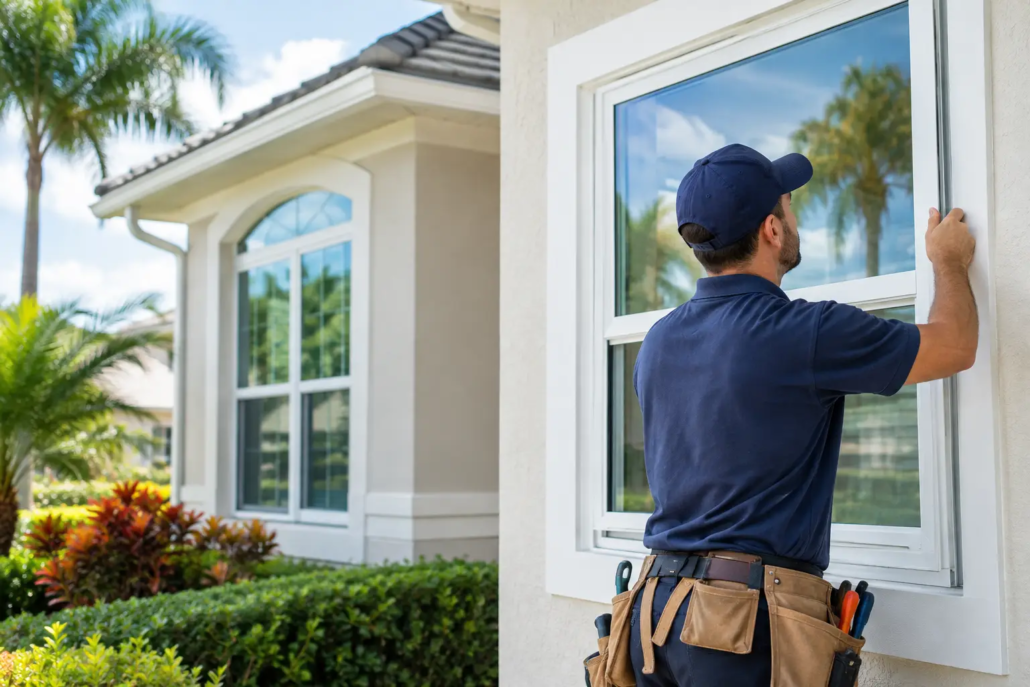
Window Replacement Examples for Orlando Homes
A window project is rarely just about replacing old glass. For Orlando homeowners, the best window replacement examples solve a real daily problem: a family room that stays too warm in the afternoon, a bedroom disturbed by road noise, condensation around aging frames, or a front elevation that no longer fits the home.
The right answer depends on the room, the direction it faces, the home’s architecture, and what you want the investment to accomplish. Here are practical examples of how replacement windows can improve comfort, appearance, ventilation, and long-term value in Central Florida homes.
Window Replacement Examples That Solve Everyday Problems
Example 1: Replacing hot, drafty windows in a sun-facing living room
A common Orlando project starts with a living room or great room facing west or south. The original single-pane aluminum windows may look serviceable, but they let solar heat build up quickly. The air conditioner runs longer, furniture near the glass feels hot, and the room is less comfortable during the hours when the family wants to use it most.
In this situation, a homeowner may replace the old units with energy-efficient vinyl, composite, or wood-clad windows featuring insulated glass and low-emissivity coatings. Triple-pane options can be especially worth discussing when comfort, sound reduction, and condensation resistance are priorities. The right glass package helps manage heat transfer without making the room feel dark or closed in.
This is not a one-size-fits-all decision. A large expanse of glass has different needs than a shaded window under a covered porch. A professional consultation should account for the window’s orientation, size, existing opening condition, and the amount of direct afternoon sun it receives.
Example 2: Quieting a bedroom near a busy road
Outside noise can make an otherwise good home feel less restful. Traffic, lawn equipment, barking dogs, and neighborhood activity often find their way through older windows with worn weatherstripping, loose sashes, or thin single-pane glass.
A bedroom window replacement project may focus on tighter construction, insulated glass, and a professional installation that properly seals the opening. Triple-pane windows can provide another level of sound reduction for homeowners who live near a major road or simply want a quieter sleep environment. The result is not silence, because sound can still enter through walls, doors, and ventilation systems, but the difference from failing older windows can be meaningful.
For a bedroom, style matters too. Double-hung windows are familiar and practical, while casement windows create a tight seal when closed and offer wide ventilation when open. If the window is close to a walkway or patio, the way it opens should be considered before choosing a style.
Example 3: Updating a front elevation with a bay window
Some window replacements are driven by curb appeal as much as performance. A flat group of aging windows at the front of a home can make the exterior look dated, even when the roof, paint, and landscaping are well maintained.
Replacing that opening with a bay window can add dimension and architectural character. Bay windows project outward with a center picture window and angled side units, allowing more light into the room and creating a useful interior ledge. They work well in dining rooms, living rooms, and front-facing spaces where the homeowner wants a more distinctive look.
A bay window is a larger project than a standard insert replacement. It may require exterior trim work, structural support, and careful flashing to protect the home from water intrusion. That is why installation quality matters every bit as much as the window itself. A properly planned bay window should look like it belongs on the home, not like an afterthought attached to the wall.
Example 4: Creating airflow in a kitchen or bathroom
Not every opening needs a large operable window. In kitchens, bathrooms, laundry rooms, and other compact spaces, an awning or hopper window can provide useful ventilation while fitting a limited wall area.
An awning window hinges at the top and opens outward from the bottom. It is often a smart choice over a kitchen sink or in a bathroom because it can allow fresh air in during a light rain. A hopper window hinges at the bottom and opens inward, making it a practical option for certain bathrooms or utility spaces.
The trade-off is clearance. Outward-opening windows should not interfere with a walkway, exterior seating area, or landscaping. Inward-opening hoppers need room inside the home. A good recommendation considers how the window will be used, not simply what will fit in the opening.
Choosing Styles for the Way Your Home Works
Double-hung windows for versatile, familiar function
Double-hung windows remain one of the most popular replacement choices because both sashes can operate. Homeowners can open the top sash, bottom sash, or both to encourage airflow. Many designs also tilt inward for easier cleaning from inside the home.
They are a natural fit for traditional homes, bedrooms, and openings where a window that projects outward would be inconvenient. For homeowners replacing multiple windows throughout the house, matching double-hung units can deliver a consistent look without overcomplicating the project.
Casement windows for wide views and a tight seal
Casement windows swing outward on side hinges and are operated with a crank. They offer unobstructed glass, strong ventilation, and a clean appearance that suits many contemporary and transitional homes.
They can be particularly effective beside a picture window, where fixed center glass preserves the view and operable casements on each side bring in air. The main consideration is exterior clearance, especially near porches, paths, and landscaping.
Picture windows when the view is the priority
A picture window does not open, which is exactly why it performs so well in spaces where ventilation is not needed. Its fixed design creates broad, clear views and lets daylight reach deeper into the room. It can be an excellent choice for a living room facing a landscaped yard, a stair landing, or a high wall where operating the window would be impractical.
Many homeowners pair picture windows with operable windows nearby. This approach gives the room a large visual centerpiece while still providing ventilation where it is useful.
Sliding windows for wide, low openings
Horizontal slider windows are often a sensible option for wide openings over a patio, countertop, or low wall. One sash slides past the other rather than swinging into outdoor space. They offer a straightforward operating design and suit many ranch-style and contemporary Florida homes.
As with any style, the frame quality and installation details influence long-term performance. A window that slides easily on installation day should also be properly aligned, insulated, and sealed to serve the home well for years.
An Example of a Whole-Home Replacement Plan
A full-house project does not need to use one window style everywhere. In fact, the strongest plans usually match each room’s needs while keeping the exterior cohesive.
For example, a homeowner might choose double-hung windows in upstairs bedrooms, a picture window with casements in the family room, an awning window in the kitchen, and a bay window at the front of the home. Using coordinated frame colors, grids, and trim details helps the finished project look intentional.
Material selection should be part of that conversation. Vinyl can offer strong value and low maintenance. Composite options can provide premium strength and durability. Real-wood windows may be the right fit for homeowners preserving a traditional architectural style or seeking a specific interior finish. There is no universally best material, only the product that best fits the home, budget, performance goals, and maintenance expectations.
What Makes a Replacement Project Successful
A high-quality window is only as good as the measurement, preparation, and installation behind it. Before work begins, the contractor should inspect the existing openings for water damage, frame concerns, and trim needs. During installation, the team should protect the work area, set each unit square and level, insulate and seal the perimeter correctly, and verify that every sash and lock operates as intended.
Homeowners should also ask practical questions before committing: Which glass package is recommended for this exposure? Will the new window meet egress needs in a bedroom? How will exterior trim be finished? What does the warranty cover, and who will be accountable if service is needed?
At Window Team USA of Orlando, those details are part of the consultation, not an afterthought. Homeowners deserve a clear recommendation, dependable installation, and products selected for Florida conditions rather than a quick cosmetic swap.
The most useful next step is to walk through your home and identify the windows causing the biggest daily frustrations. Whether it is a hot west-facing room, a noisy bedroom, or an outdated front window, a no-pressure estimate can turn that problem into a practical plan built for your home.