When to Replace Wood Windows: Clear Signs
A wood window can look perfectly acceptable from the sidewalk while hiding years of moisture damage around the sash, frame, and trim. For Orlando homeowners, the question of when to replace wood windows usually comes down to more than appearance. It is about keeping conditioned air inside, managing humidity, protecting the surrounding wall, and making a smart investment before a small problem becomes a larger repair.
Wood remains a beautiful window material, especially on older homes and homes with traditional architecture. But Central Florida heat, heavy rain, humidity, and strong sun are demanding conditions. Knowing what to look for helps you decide whether a professional repair is worthwhile or whether replacement will provide better long-term value.
When to Replace Wood Windows Instead of Repairing Them
Not every worn wood window needs to be removed. A window with a small area of peeling paint, a failed screen, or one loose piece of trim may be repairable. If the wood is solid, the frame is square, and the window still operates correctly, targeted maintenance can extend its service life.
Replacement becomes the more practical choice when the issues affect the window’s structure, weather protection, or everyday performance. Repeated repairs can add up quickly, especially when the window is still drafty, difficult to operate, or vulnerable to water intrusion afterward.
1. The Wood Is Soft, Rotted, or Crumbling
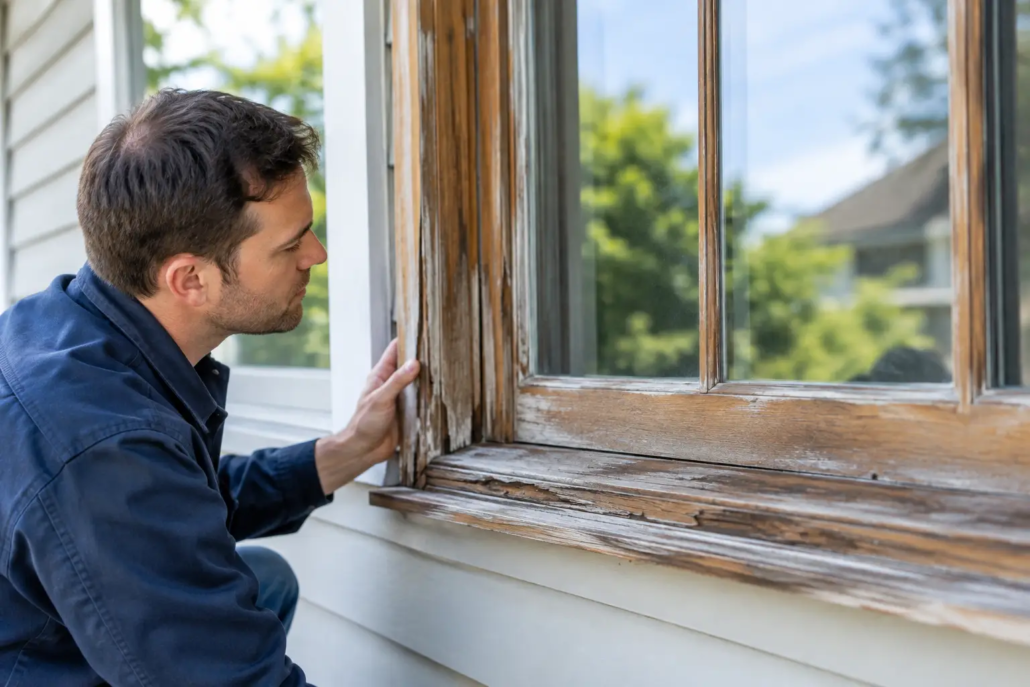
Wood rot is one of the clearest replacement signals. Probe suspicious areas gently around the lower sash, sill, exterior casing, and corners of the frame. Soft wood, dark staining, crumbling fibers, or sections that give under light pressure often point to moisture that has been present for some time.
A small, isolated area of decay may be repaired if the surrounding wood is sound. But widespread rot can compromise the frame and allow water to reach the wall opening. At that point, replacing the full window and addressing any related installation concerns is usually the safer, more durable path.
2. The Windows Stick, Bind, or Will Not Lock
A wood window that sticks on a humid day is not automatically failing. Wood naturally expands and contracts as moisture levels change. However, windows that regularly require force to open, close, or lock deserve a closer look.
Persistent operating problems can come from swollen wood, a warped sash, worn hardware, failed balances, or a frame that has shifted out of square. A window that will not lock properly may also leave gaps that affect security, water resistance, and cooling efficiency. If adjustments and minor repairs no longer solve the problem, replacement is often the better investment.
3. You Feel Drafts or Notice Higher Cooling Costs
Orlando homes spend much of the year relying on air conditioning. When older wood windows have worn weatherstripping, loose sashes, single-pane glass, or gaps around the frame, cooled air can escape while hot, humid outdoor air moves in.
You may notice rooms that never feel comfortable, blinds moving near closed windows, or an air conditioner that seems to run constantly. Utility bills can rise for many reasons, so a window is not always the only cause. Still, if drafts are combined with old glazing and visible wear, modern replacement windows can make a noticeable difference in comfort.
Energy-efficient options with quality glass packages, tight seals, and professionally installed frames are designed to reduce heat transfer. For homeowners comparing options, triple-pane glass can also provide added insulation and sound control in the right application.
4. Condensation Keeps Returning
A little condensation on the inside of a window can happen when indoor humidity is high. In Florida, it is wise to pay attention when that moisture appears often or stays long enough to dampen the sash or sill. Repeated condensation can damage paint, feed mold growth, and accelerate wood deterioration.
Fogging or moisture between glass panes is a different issue. It generally means the insulated glass seal has failed. The window may still keep out rain, but its insulating performance and clear view are reduced. In some cases, replacing the glass unit is possible. If the frame is old, deteriorated, or inefficient as well, replacing the complete window may deliver a better result.
5. Paint Peels Soon After You Refinish It
Exterior paint protects wood from sun and rain. When paint begins blistering, cracking, or peeling again shortly after a careful repaint, moisture may be getting behind the finish. This is especially common on sills and lower frame areas where water can linger.
Before repainting, identify the cause. It may be a failed seal, missing caulk, poor drainage, or a window that is allowing moisture into the wood. Applying another coat of paint without correcting the source can hide the problem for a season while the damage continues underneath.
6. Outside Noise Is Disrupting Your Home
Older wood windows, especially those with single-pane glass, do little to soften traffic, neighborhood activity, lawn equipment, or construction noise. New windows will not make a home silent, and the amount of improvement depends on the glass package, frame, installation quality, and other openings in the room.
Still, replacement windows with insulated glass and well-designed seals can reduce the amount of outside noise that enters the home. For families with bedrooms facing a busy street or homeowners who work from home, that improvement can be just as valuable as energy savings.
7. The Glass Is Cracked, Loose, or Failing
A cracked pane should be addressed promptly, even if the crack seems small. It can spread, weaken the window, and allow water or air infiltration. Older windows may also have loose glazing putty, rattling panes, or damaged muntins that no longer hold the glass securely.
Historic or specialty windows can sometimes justify careful restoration, particularly when preserving original architectural details is a priority. For many homes, though, repeated glass repairs on aging wood frames become hard to justify. A replacement window can preserve the home’s character while providing more dependable performance.
8. You Are Seeing Water Stains Around the Window
Stained drywall, bubbling interior paint, damp trim, or musty odors around a window should never be ignored. Water may be entering through failed seals, damaged exterior trim, flashing problems, or the wall system itself. The window may be the source, but a qualified professional should inspect the full opening before recommending a fix.
This is where installation quality matters. Even a high-performing replacement window cannot do its job if the opening is not properly prepared, sealed, and finished. A thorough evaluation should look beyond the glass and frame to identify what is causing the moisture problem.
Choosing the Right Replacement for an Orlando Home
Replacing wood windows does not mean every home needs the same material or style. Vinyl replacement windows offer low maintenance and strong value for many homeowners. Composite options can provide a more substantial look and durable performance. Real-wood windows may be the right choice when an architectural match is essential and the homeowner is prepared for ongoing maintenance.
Window style matters, too. Double-hung windows fit many traditional homes, while casement windows can provide wide ventilation and tight compression seals. Picture windows bring in light where ventilation is not needed. Bay, bow, garden, awning, and sliding windows each solve different design and function needs.
The best choice depends on your home’s layout, sun exposure, desired maintenance level, budget, and long-term plans. Do not focus only on the window price. Ask about glass performance, condensation resistance, warranty coverage, installation methods, and who will stand behind the work after the project is complete.
Get a Clear Answer Before Damage Spreads
If you are unsure whether your wood windows need repair or replacement, start with a no-pressure professional assessment. Window Team USA of Orlando can evaluate the condition of your current windows, explain practical material and glass options, and provide a straightforward estimate based on your home rather than a one-size-fits-all recommendation.
The right time to act is before rot reaches the surrounding wall, drafts make rooms uncomfortable, or water damage becomes a bigger project. A careful inspection now can help you protect your home, your comfort, and the investment you have already made in it.