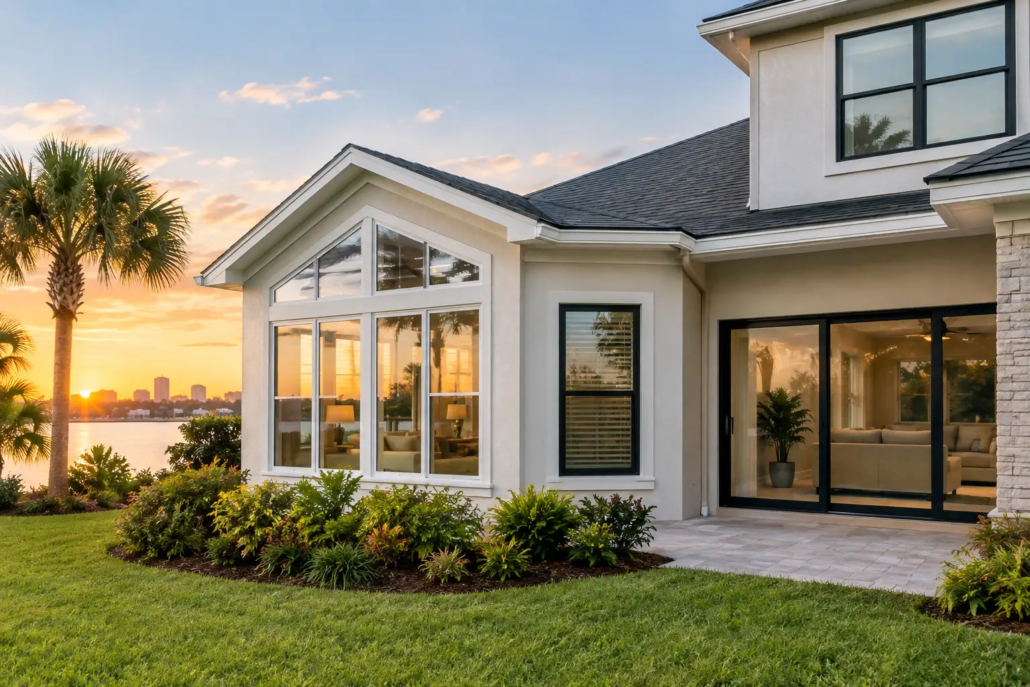
Orlando Home Window Style Guide for Every Home
A replacement window should do more than fill an opening. In Central Florida, it needs to help manage strong sun, summer humidity, cooling costs, rain, and the everyday noise that comes with living in a growing metro area. This Orlando home window style guide helps homeowners match window styles to the way their house looks, feels, and functions – without choosing based on appearance alone.
The right answer is rarely one window style for the whole house. A picture window may be perfect for the front living room, while a casement window makes better sense above the kitchen sink. The goal is to create a coordinated look while giving each room the ventilation, daylight, privacy, and energy performance it needs.
Start With Your Home’s Architecture
Your windows should support the character of your home rather than compete with it. That does not mean you have to duplicate every detail of an older window. Replacement windows can improve comfort and efficiency while still respecting the proportions, grid patterns, and sightlines that make a home look like itself.
Traditional homes, including many Colonial-inspired, ranch, and cottage-style properties, often look right with double-hung windows. Their vertically sliding sashes create a familiar, balanced appearance. Grids can add classic detail, but they should be selected carefully. Too many grids can make a smaller window feel busy, while a simple pattern can preserve the home’s original character.
Mediterranean and Spanish-influenced homes are common around Orlando. These homes often benefit from clean casement windows, picture windows, and thoughtfully placed arched or specialty shapes. A wider frame profile or a warm exterior color can complement stucco, tile roofs, and substantial trim. Large fixed glass areas can also highlight a landscaped view, but they should be planned with sun exposure in mind.
For contemporary homes, simple lines usually work best. Picture windows, horizontal sliders, and casements with minimal grids create an open, current look. The priority is often broader glass and less visual clutter. On a modern exterior, a window that is overly decorative can look out of place even if it performs well.
Choose Window Styles by How Each Room Works
A beautiful window that does not provide the ventilation or access you need can become a daily frustration. Before selecting a style, think about what happens in that room and whether the window will be easy to operate, clean, and enjoy.
Double-hung windows for flexible, familiar ventilation
Double-hung windows remain a popular choice because both sashes can operate. Opening the lower sash lets cooler air enter, while lowering the upper sash can help warmer air move out. They are a practical fit for bedrooms, living rooms, and traditional facades.
Many replacement double-hung windows offer tilt-in sashes, which can make cleaning exterior glass easier from inside the home. They are not always the best choice where a wide, uninterrupted view is the main goal, but they offer a dependable blend of appearance and function.
Casement windows for airflow and a tighter close
Casement windows hinge at the side and crank outward. Because the sash closes against the frame, they can provide a strong weather seal when properly made and installed. Their open sash can also catch side breezes, making them useful in kitchens, bathrooms, and rooms where ventilation matters.
They work especially well over a countertop or sink because a crank is easier to reach than a sash that must be lifted. Keep in mind that the window opens outward, so it needs clearance from walkways, shrubs, and exterior fixtures.
Awning and hopper windows for compact spaces
Awning windows hinge at the top and open outward from the bottom. They are often used higher on a wall, in bathrooms, or paired beneath larger fixed windows. Their design can allow ventilation during a light rain, although homeowners should still close them during heavy storms and windy weather.
Hopper windows hinge at the bottom and open inward from the top. They are commonly used in smaller areas where privacy is needed, such as laundry rooms or bathrooms. Neither style is usually the main visual feature of a home, but both can solve a specific ventilation need neatly.
Picture windows when the view should lead
Picture windows do not open, which means they are best for rooms where daylight and a clear view matter more than airflow. They can make a living room feel larger, frame a pool area or backyard, and bring in natural light without adding operating hardware.
The trade-off is simple: fixed glass does not ventilate. Many homeowners pair a large picture window with operable casements or double-hung windows on either side. This creates a broad view while keeping fresh-air options available.
Horizontal sliders for wide openings
Horizontal slider windows move side to side and work well in wide openings with limited exterior clearance. They are a practical choice for bedrooms, family rooms, and areas facing patios or walkways. Their clean horizontal shape often suits ranch homes and contemporary designs.
A slider may not offer the same open area as a casement window of similar size, but it is easy to operate and can provide a strong visual fit for the right elevation.
Use Bay and Bow Windows to Change the Room
Bay and bow windows project beyond the exterior wall, adding dimension outside and usable space inside. A bay window typically has a larger center panel with angled side windows. A bow window uses several panels to create a softer curve.
Both styles can brighten a dining area, create a reading nook, or give a plain front wall more character. Because they are more involved than a standard replacement opening, proper measurement, structural planning, flashing, insulation, and installation matter greatly. They can be a worthwhile investment, but they are not a one-size-fits-all upgrade for every wall.
Put Energy Performance Ahead of Glass Size Alone
Large windows can look great in Florida, but more glass also means more exposure to solar heat. The best window layout balances daylight with the comfort of the room. A west-facing family room with broad, unshaded glass may need different glass options than a shaded north-facing bedroom.
Ask about low-emissivity coatings, insulated glass packages, frame construction, and air infiltration performance. These details affect how much heat transfers through the window and how hard your air conditioner must work. In many homes, triple-pane replacement windows can also improve sound reduction and interior comfort. Whether triple-pane is the right value depends on the opening, the exposure, the existing windows, and your goals for the project.
Vinyl windows offer low-maintenance value and strong energy performance for many Orlando homes. Composite options can provide a more substantial look and added durability. Real-wood windows bring natural warmth and architectural character, especially for homeowners restoring a traditional design. Each material has a place. The best choice is the one that fits your home, your budget, and the maintenance you are prepared to handle.
Make the Front of the House Feel Intentional
Curb appeal improves when window sizes, grid patterns, colors, and sightlines feel coordinated. That does not require every window to be identical. A bathroom may need obscured glass, a stairwell may need a tall fixed unit, and a main living area may call for larger glass. What matters is that the choices look connected from the street.
Look at the entire front elevation before approving one window at a time. Consider where window tops align, whether grid patterns match, and how the frame color works with the roof, exterior paint, and entry door. Small decisions can make a major difference in whether a finished project looks planned or pieced together.
Do Not Treat Installation as an Afterthought
Even a well-built window can underperform if it is measured or installed poorly. Water management, insulation around the opening, level operation, exterior sealing, and interior finish work all affect the result. In Florida’s heat and rain, shortcuts can lead to drafts, moisture issues, difficult operation, and lost efficiency.
A professional consultation should include more than selecting a style from a brochure. It should account for the condition of the existing openings, the direction each wall faces, your ventilation needs, and the appearance you want to achieve. Window Team USA of Orlando approaches replacement projects with those details in mind, then backs the work with professional installation and lifetime-warranted product options.
Before making a final choice, stand in each room and ask a few practical questions: Do you need this window to open? Is afternoon sun making the room uncomfortable? Will the style be easy to clean and operate? Does it fit the rest of the home? Those answers usually lead to a better decision than following a trend.
The best replacement windows should make your home feel quieter, more comfortable, and more like yours every day – while still holding up to the Florida weather outside.