
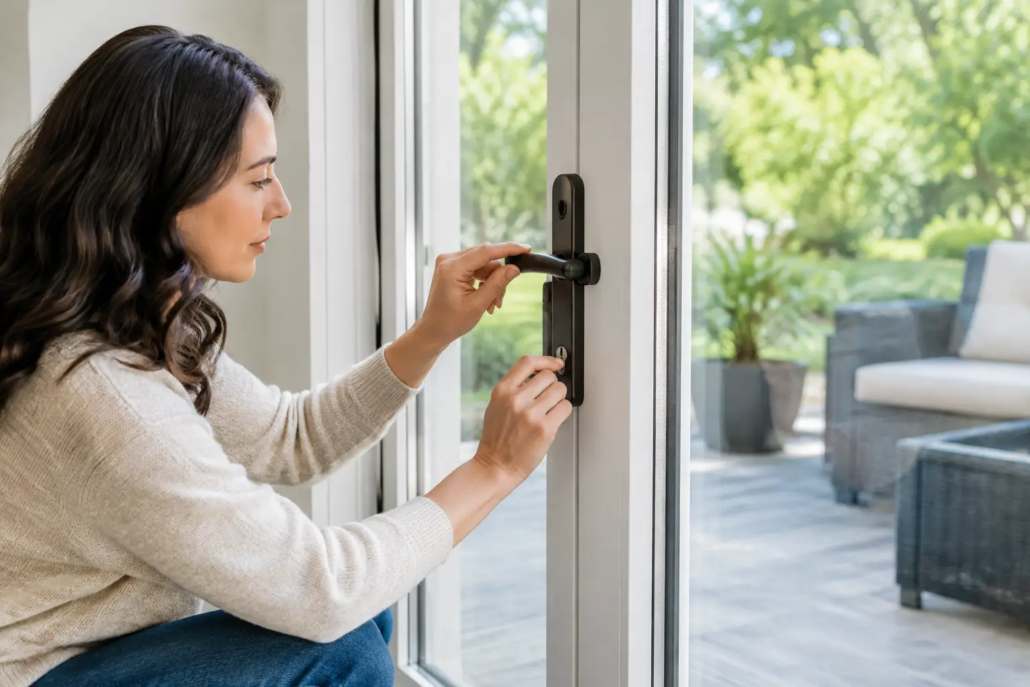
How to Secure Patio Doors Without Guesswork
A sliding patio door should let your family enjoy the backyard, not leave you wondering whether the house is properly protected after dark or while you are away. Knowing how to secure patio doors starts with understanding that the lock is only one part of the system. The panel, track, frame, glass, and installation all have to work together.
For Orlando homeowners, patio-door security also has a weather side. Heat, humidity, wind-driven rain, and years of daily use can affect rollers, tracks, seals, and locking alignment. A door that sticks, rattles, or has to be forced shut deserves attention. It may be less secure than it looks.
Start With the Door You Have
Before buying an add-on lock or security bar, test the door itself. Close it slowly and watch whether the latch meets the keeper cleanly. Lift the handle and confirm that the lock engages fully. Then try to move the closed panel gently from both sides. Excessive play, a loose frame, or a panel that can be lifted in the track points to a problem that a simple bar may not solve.
Clean debris from the bottom track and inspect the rollers. Dirt, worn rollers, and an out-of-square frame can make a patio door difficult to operate and keep the latch from lining up correctly. Homeowners sometimes compensate by slamming the panel harder, which can worsen wear on the lock and frame.
If the door is older, look closely at the screws holding the strike or keeper in place. Loose, stripped, or very short screws reduce the holding strength of an otherwise functional lock. Tightening the hardware and replacing damaged fasteners is a sensible first step, but do not overtighten screws into a cracked or deteriorated frame.
Strengthen the Locking System
Most sliding patio doors come with a latch intended to keep the door closed during normal use. Quality modern doors use stronger multi-point locking options or more substantial hook-style mechanisms that offer a better connection between the moving panel and the frame. If your existing latch feels light, loose, or unreliable, have a professional evaluate whether replacement hardware is available for that model.
A secondary lock can add another layer of protection. This may be a pin lock, a foot-operated lock, or an approved auxiliary device designed for sliding doors. The right choice depends on the door construction and whether it must remain accessible as an exit. Never install a security device that prevents family members from leaving quickly in an emergency.
For many households, a properly fitted security bar in the bottom track is a straightforward option when the door is closed. It limits the panel’s ability to slide open even if the primary lock is defeated. Choose an adjustable bar with secure end caps, and make sure it fits firmly without bending the frame or damaging the track. A loose piece of wood cut to size can shift, splinter, or become inconvenient enough that it stops getting used.
Do Not Forget the Fixed Panel
On some patio doors, the fixed glass panel can be removed from the exterior if the retaining components are worn, missing, or improperly installed. The same can be true of panels that were installed backward or altered during a past repair. This is not a do-it-yourself guesswork issue. A qualified door professional can inspect how the fixed panel is secured and correct problems without compromising water management or warranty coverage.
Keep the Panel From Being Lifted Out
Many sliding door designs have anti-lift features that prevent a panel from being raised enough to clear the track. When these components are missing, worn, or incorrectly adjusted, the door may be vulnerable even when locked.
Start by checking the panel adjustment. A sliding door should move smoothly but should not have enough vertical play to lift freely. Roller adjustments can often improve operation, though the correct procedure varies by manufacturer. Poor adjustments may cause the panel to drag, wear out rollers faster, or prevent a good weather seal.
After adjustment, inspect the top track area for intact anti-lift blocks or stops. Do not add random screws or improvised blocks where they could scratch the panel, interfere with drainage, or create a binding point. Patio doors are engineered assemblies. Changes should respect the way the frame handles movement and water.
Give the Glass the Attention It Deserves
Glass is naturally the most visible part of a patio door, and it deserves a realistic security conversation. Standard insulated glass provides a weather barrier and clear views, but it is not the same as impact-resistant glass or laminated security glass. If forced-entry resistance is a major concern, discuss glass options when replacing the door rather than assuming any double-pane unit offers the same protection.
Laminated glass uses an interlayer that can help hold broken glass together. Impact-rated systems are designed and tested for specific windborne-debris and structural performance requirements. Those products can make practical sense for some Florida homes, particularly where storm protection is also a priority, but the best option depends on your location, budget, opening size, and the door system as a whole.
Window film may offer certain benefits, but it is not a substitute for a properly built, securely installed patio door. Its performance varies widely by product and installation. Be cautious about adding film to insulated glass without confirming that it is compatible with the manufacturer’s recommendations, since the wrong product can contribute to heat stress or affect warranty coverage.
Improve Visibility Around the Door
A secure patio door should not be hidden from view by overgrown shrubs, stacked patio furniture, or a dark corner of the yard. Trim landscaping so the door and surrounding area are visible from inside the home and, where appropriate, from the street or a neighbor’s property. Good visibility discourages someone from lingering unnoticed.
Motion-activated exterior lighting is a practical improvement, especially near rear and side entrances. The goal is not to flood the yard with harsh light. Aim fixtures carefully to illuminate the door, walking path, and nearby gates without shining into bedrooms or disturbing neighbors.
Use window coverings thoughtfully. Closing blinds or curtains at night protects privacy, but make a habit of checking that the door is fully latched before covering it. If your patio door is a regular family entrance, teach everyone in the household to lock it every time they come in. Security hardware only works when it is used consistently.
Know When Replacement Is the Better Fix
There is a point where repairs and add-on devices become a patchwork solution. If the frame is warped, the lock no longer aligns, the rollers repeatedly fail, the glass is fogged, or the door leaks during heavy rain, replacement may provide better long-term value. A new patio door can address security, comfort, energy efficiency, outside noise, and everyday operation in one project.
Look for a door with a substantial frame, durable rollers, quality weatherstripping, secure locking hardware, and glass options that match your home’s needs. Professional installation matters just as much as the product. An excellent door can still perform poorly if the opening is not properly prepared, leveled, flashed, and sealed.
At Window Team USA of Orlando, homeowners can receive a no-pressure assessment of aging patio doors and clear recommendations based on how the door is used, what condition it is in, and what the home needs. The right answer may be a targeted repair, a hardware upgrade, or a replacement door designed for stronger performance.
The most reassuring patio door is not one with the most gadgets. It is one that closes smoothly, locks positively, fits its frame correctly, and is installed with the same care you expect from every entrance to your home.