When to Replace Wood Windows: Clear Signs

When to Replace Wood Windows: Clear Signs

A wood window can look perfectly acceptable from the sidewalk while hiding years of moisture damage around the sash, frame, and trim. For Orlando homeowners, the question of when to replace wood windows usually comes down to more than appearance. It is about keeping conditioned air inside, managing humidity, protecting the surrounding wall, and making a smart investment before a small problem becomes a larger repair.

Wood remains a beautiful window material, especially on older homes and homes with traditional architecture. But Central Florida heat, heavy rain, humidity, and strong sun are demanding conditions. Knowing what to look for helps you decide whether a professional repair is worthwhile or whether replacement will provide better long-term value.

When to Replace Wood Windows Instead of Repairing Them

Not every worn wood window needs to be removed. A window with a small area of peeling paint, a failed screen, or one loose piece of trim may be repairable. If the wood is solid, the frame is square, and the window still operates correctly, targeted maintenance can extend its service life.

Replacement becomes the more practical choice when the issues affect the window’s structure, weather protection, or everyday performance. Repeated repairs can add up quickly, especially when the window is still drafty, difficult to operate, or vulnerable to water intrusion afterward.

1. The Wood Is Soft, Rotted, or Crumbling

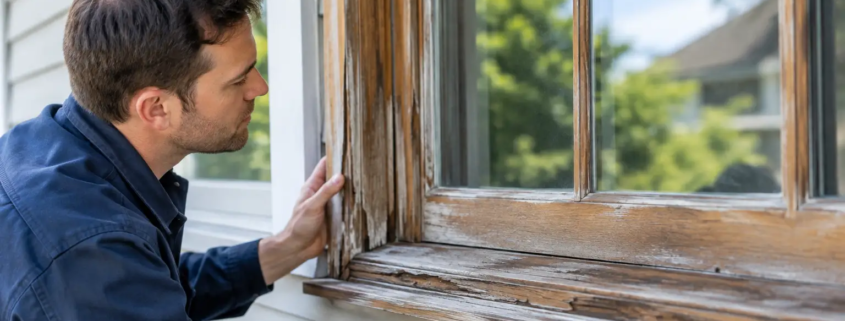
Wood rot is one of the clearest replacement signals. Probe suspicious areas gently around the lower sash, sill, exterior casing, and corners of the frame. Soft wood, dark staining, crumbling fibers, or sections that give under light pressure often point to moisture that has been present for some time.

A small, isolated area of decay may be repaired if the surrounding wood is sound. But widespread rot can compromise the frame and allow water to reach the wall opening. At that point, replacing the full window and addressing any related installation concerns is usually the safer, more durable path.

2. The Windows Stick, Bind, or Will Not Lock

A wood window that sticks on a humid day is not automatically failing. Wood naturally expands and contracts as moisture levels change. However, windows that regularly require force to open, close, or lock deserve a closer look.

Persistent operating problems can come from swollen wood, a warped sash, worn hardware, failed balances, or a frame that has shifted out of square. A window that will not lock properly may also leave gaps that affect security, water resistance, and cooling efficiency. If adjustments and minor repairs no longer solve the problem, replacement is often the better investment.

3. You Feel Drafts or Notice Higher Cooling Costs

Orlando homes spend much of the year relying on air conditioning. When older wood windows have worn weatherstripping, loose sashes, single-pane glass, or gaps around the frame, cooled air can escape while hot, humid outdoor air moves in.

You may notice rooms that never feel comfortable, blinds moving near closed windows, or an air conditioner that seems to run constantly. Utility bills can rise for many reasons, so a window is not always the only cause. Still, if drafts are combined with old glazing and visible wear, modern replacement windows can make a noticeable difference in comfort.

Energy-efficient options with quality glass packages, tight seals, and professionally installed frames are designed to reduce heat transfer. For homeowners comparing options, triple-pane glass can also provide added insulation and sound control in the right application.

4. Condensation Keeps Returning

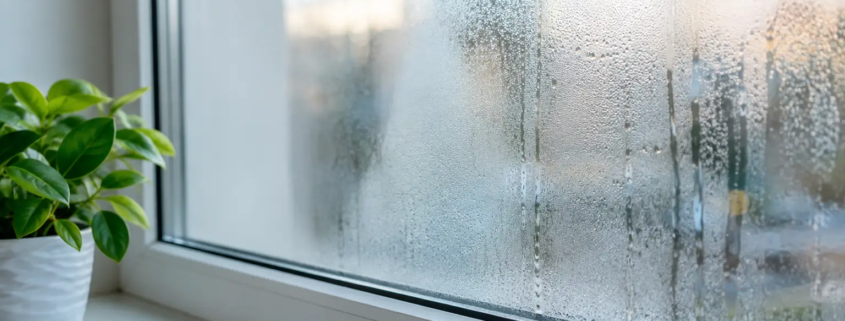
A little condensation on the inside of a window can happen when indoor humidity is high. In Florida, it is wise to pay attention when that moisture appears often or stays long enough to dampen the sash or sill. Repeated condensation can damage paint, feed mold growth, and accelerate wood deterioration.

Fogging or moisture between glass panes is a different issue. It generally means the insulated glass seal has failed. The window may still keep out rain, but its insulating performance and clear view are reduced. In some cases, replacing the glass unit is possible. If the frame is old, deteriorated, or inefficient as well, replacing the complete window may deliver a better result.

5. Paint Peels Soon After You Refinish It

Exterior paint protects wood from sun and rain. When paint begins blistering, cracking, or peeling again shortly after a careful repaint, moisture may be getting behind the finish. This is especially common on sills and lower frame areas where water can linger.

Before repainting, identify the cause. It may be a failed seal, missing caulk, poor drainage, or a window that is allowing moisture into the wood. Applying another coat of paint without correcting the source can hide the problem for a season while the damage continues underneath.

6. Outside Noise Is Disrupting Your Home

Older wood windows, especially those with single-pane glass, do little to soften traffic, neighborhood activity, lawn equipment, or construction noise. New windows will not make a home silent, and the amount of improvement depends on the glass package, frame, installation quality, and other openings in the room.

Still, replacement windows with insulated glass and well-designed seals can reduce the amount of outside noise that enters the home. For families with bedrooms facing a busy street or homeowners who work from home, that improvement can be just as valuable as energy savings.

7. The Glass Is Cracked, Loose, or Failing

A cracked pane should be addressed promptly, even if the crack seems small. It can spread, weaken the window, and allow water or air infiltration. Older windows may also have loose glazing putty, rattling panes, or damaged muntins that no longer hold the glass securely.

Historic or specialty windows can sometimes justify careful restoration, particularly when preserving original architectural details is a priority. For many homes, though, repeated glass repairs on aging wood frames become hard to justify. A replacement window can preserve the home’s character while providing more dependable performance.

8. You Are Seeing Water Stains Around the Window

Stained drywall, bubbling interior paint, damp trim, or musty odors around a window should never be ignored. Water may be entering through failed seals, damaged exterior trim, flashing problems, or the wall system itself. The window may be the source, but a qualified professional should inspect the full opening before recommending a fix.

This is where installation quality matters. Even a high-performing replacement window cannot do its job if the opening is not properly prepared, sealed, and finished. A thorough evaluation should look beyond the glass and frame to identify what is causing the moisture problem.

Choosing the Right Replacement for an Orlando Home

Replacing wood windows does not mean every home needs the same material or style. Vinyl replacement windows offer low maintenance and strong value for many homeowners. Composite options can provide a more substantial look and durable performance. Real-wood windows may be the right choice when an architectural match is essential and the homeowner is prepared for ongoing maintenance.

Window style matters, too. Double-hung windows fit many traditional homes, while casement windows can provide wide ventilation and tight compression seals. Picture windows bring in light where ventilation is not needed. Bay, bow, garden, awning, and sliding windows each solve different design and function needs.

The best choice depends on your home’s layout, sun exposure, desired maintenance level, budget, and long-term plans. Do not focus only on the window price. Ask about glass performance, condensation resistance, warranty coverage, installation methods, and who will stand behind the work after the project is complete.

Get a Clear Answer Before Damage Spreads

If you are unsure whether your wood windows need repair or replacement, start with a no-pressure professional assessment. Window Team USA of Orlando can evaluate the condition of your current windows, explain practical material and glass options, and provide a straightforward estimate based on your home rather than a one-size-fits-all recommendation.

The right time to act is before rot reaches the surrounding wall, drafts make rooms uncomfortable, or water damage becomes a bigger project. A careful inspection now can help you protect your home, your comfort, and the investment you have already made in it.
Window Contractor Versus Handyman: Which Fits?

Window Contractor Versus Handyman: Which Fits?

A window contractor versus handyman decision can look simple until you consider what sits behind the trim. A replacement window affects your home’s cooling costs, comfort, security, weather protection, and appearance. In Orlando, where heat, humidity, heavy rain, and storm-season winds put every exterior opening to work, the right installer matters as much as the window itself.

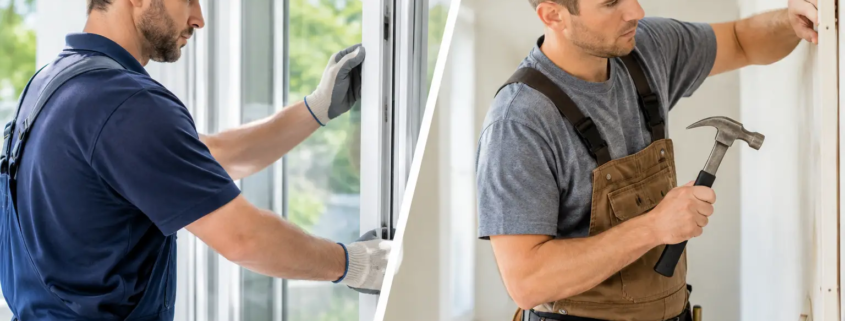
A handyman can be a great resource for many household repairs. Replacing a damaged screen, adjusting a sticking sash, adding caulk around minor gaps, or repairing interior trim may be well within the scope of a skilled handyman. Full window replacement is different. It is a specialized exterior renovation that calls for product knowledge, careful measurements, water-management details, and a clear warranty process.

Window Contractor Versus Handyman: The Core Difference

The main distinction is not whether someone can physically remove and install a window. It is whether they have the systems, training, products, and accountability to deliver a complete replacement-window result.

A qualified window contractor focuses on window and door projects every day. That specialization matters when selecting the proper style, measuring an opening, identifying hidden rot, managing flashing and sealant, insulating the perimeter, and making sure the new unit operates correctly. The contractor also has access to replacement-window options designed for performance, including energy-efficient glass packages, durable frames, and products with manufacturer-backed warranties.

A handyman typically handles a broad range of smaller home repairs. Some are highly skilled, honest professionals with years of construction experience. But general repair work does not automatically translate to expertise in replacement windows. A person who does excellent drywall or carpentry work may not routinely evaluate low-E glass, condensation resistance, installation tolerances, or the drainage requirements of a particular window system.

For a single minor repair, that difference may not matter. For a project involving several aging windows, a large picture window, a bay or bow unit, a patio door, or an exterior opening with signs of water damage, it can matter a great deal.

When a Handyman May Be the Right Call

There is no reason to hire a window replacement company for every small issue. If a window is basically sound and the problem is limited, a handyman may offer a practical, cost-conscious solution.

For example, a handyman may be well suited to replace a broken latch, install new screens, repair a small piece of trim, touch up caulk, or address a minor interior finish issue. These jobs do not necessarily require replacing the entire window assembly. If the glass, frame, sash, and surrounding opening remain in good condition, a targeted repair can buy you time.

The key is to be realistic about what a repair can accomplish. Caulk cannot correct a warped frame. New trim cannot solve an air leak caused by a failed installation. A fresh coat of paint cannot restore an insulated glass unit with a broken seal or stop moisture entering around a deteriorated opening.

If your goal is a short-term repair before a future renovation, a handyman can be a sensible choice. Just make sure the work is described clearly and that you understand whether it addresses the cause of the problem or only the visible symptom.

When You Need a Window Contractor

Replacement is usually the better path when windows are old, inefficient, difficult to operate, visibly deteriorated, or allowing water and outside air into the home. It is also the better choice when homeowners want a meaningful improvement in energy performance, noise reduction, curb appeal, or long-term reliability.

A professional window contractor begins with the whole opening, not just the window you can see from inside. That includes the condition of the existing frame, exterior trim, sill, wall area, and the way water is directed away from the house. A proper installation should leave the new window square, secure, insulated, weather-resistant, and able to open, close, lock, and drain as designed.

This is particularly valuable in Central Florida. Our long cooling season puts pressure on inefficient windows. Direct sun can make rooms uncomfortable, while weak seals and poor glass performance can allow heat gain that makes your air conditioner work harder. High humidity can also make condensation concerns more frustrating, especially when aging windows have failed seals or poor insulating properties.

A contractor can help you compare solutions instead of treating every opening the same. A bright west-facing room may benefit from a different glass package than a shaded bedroom. A hard-to-reach window may be a good candidate for a casement style. A living room may call for a large picture window, while a kitchen may benefit from the ventilation of a garden, hopper, or awning window. Those choices affect how your home feels every day.

Installation Quality Protects the Value of the Window

Homeowners sometimes focus only on the price of the window itself. That is understandable, but installation is where a good product can either perform as intended or fall short.

Even a high-quality, energy-efficient window can have problems if it is measured incorrectly or installed without attention to the opening. Gaps around the frame can contribute to drafts, water intrusion, and lost energy performance. Excessive force can affect operation. Poor exterior sealing can allow moisture to reach building materials where damage may remain hidden until repairs become more expensive.

A dedicated contractor also brings consistency to multi-window projects. Your windows should have a unified look, proper alignment, clean interior and exterior finishes, and operation that feels right from room to room. That level of coordination is especially important when replacing windows throughout a home or combining window work with an entry door or sliding patio door project.

At Window Team USA of Orlando, the goal is not to sell a one-size-fits-all unit. It is to recommend a window or door solution that fits the home, the opening, the homeowner’s priorities, and the budget. That may mean a value-focused vinyl window, a high-end composite option, real-wood styling, or triple-pane performance where it makes sense.

Warranties and Accountability Are Part of the Job

Another meaningful difference in the window contractor versus handyman question is what happens after the work is complete. A replacement-window project involves two separate but connected commitments: the product warranty and the installation warranty.

A professional contractor should explain what is covered, who provides the coverage, and how service concerns are handled. Lifetime-warranted products can provide welcome peace of mind, but homeowners should still ask for clear information about glass, frames, hardware, labor, and transferability. A contractor with an established process can help you understand the paperwork before work begins, not after a problem occurs.

With a handyman, warranty terms can vary widely. Some stand behind their work, while others may offer only a brief workmanship promise or none at all. That does not make every handyman unreliable. It simply means homeowners should not assume the same level of manufacturer support, installation documentation, or long-term service access that comes with a specialized replacement project.

Local accountability also counts. When someone works in your community and depends on referrals from neighbors, they have a reason to protect their reputation long after installation day. You should feel comfortable asking who will answer the phone if you have a question months later.

How to Make the Right Choice for Your Home

Start by defining the problem. If you need a small repair to a window that is otherwise in good condition, a handyman may be the efficient answer. If the issue involves failed glass, rotted components, repeated leaks, significant air loss, outdated windows, or a desire for better comfort and efficiency, request a replacement-window consultation.

Then look beyond the initial quote. Ask what product is being installed, how the opening will be inspected, what happens if hidden damage is found, how the exterior will be sealed, and what warranties apply. A lower price can be a good value, but only when the scope of work, product quality, and workmanship are comparable.

It also helps to consider the life of the investment. A minor repair may cost less today but become wasted spending if replacement is likely within a year or two. On the other hand, replacing a window that only needs a screen or hardware adjustment may be unnecessary. The honest answer depends on the window’s condition and what you want it to do for your home.

Your windows should not be a recurring source of worry every time an afternoon storm rolls through or the summer cooling bill arrives. Choose the professional whose solution matches the size of the problem, and expect clear answers, careful workmanship, and respect for your home from the first estimate onward.

Door Installation Process: What Orlando Homeowners Can Expect

Door Installation Process: What Orlando Homeowners Can Expect

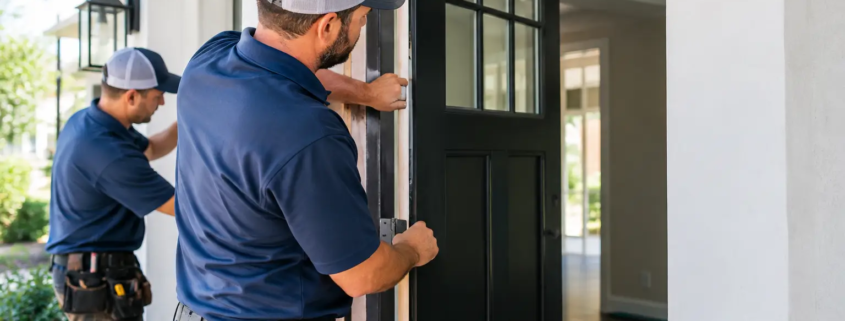
A new exterior door should not leave you wondering whether it will stick after the next humid Orlando afternoon or let rain creep in during a hard summer storm. The door installation process is where the value of a quality entry door or sliding patio door is either protected or lost. A well-made door needs a square opening, a properly flashed sill, secure fastening, and careful adjustment to deliver the comfort, efficiency, security, and curb appeal you paid for.

For homeowners, the goal is simple: understand what happens at each stage, know what questions to ask, and recognize why professional installation matters as much as the door itself.

The Door Installation Process Starts Before Installation Day

The best installations begin with a detailed in-home consultation and measurement, not a quick glance at the existing door. Homes settle over time, and older openings are not always perfectly square or level. A professional measures the width, height, depth, jamb condition, threshold area, and surrounding trim so the new unit fits the actual opening rather than an assumed standard size.

This is also the time to decide what the door needs to accomplish. An entry door may need better insulation, a stronger lock system, impact-rated glass, or a design that improves the front of the home. A sliding patio door may need smoother operation, larger glass panels, better sound control, or improved protection from heat and moisture.

Material selection affects both performance and maintenance. Fiberglass and composite entry doors can offer the look of wood with less upkeep in Central Florida’s heat and humidity. Steel can be a cost-conscious, secure choice, while real wood offers a classic appearance but needs consistent maintenance. For patio doors, frame construction, glass package, rollers, and weatherstripping all affect daily use.

A responsible contractor should explain the trade-offs plainly. The lowest upfront price is not always the best value if the door has weak weather protection, limited warranty coverage, or hardware that wears out early. On the other hand, not every home needs the same premium option. The right recommendation should match your opening, your budget, your home’s style, and how you use the space.

Ordering and Preparing for Your New Door

Once measurements and selections are confirmed, the door is ordered to fit the project. Custom sizing, decorative glass, sidelights, paint or stain finishes, impact-rated components, and specialty hardware can affect production time. It is better to wait for the correct unit than force a nearly correct door into an opening.

Before installation day, clear a path to the doorway and move furniture, rugs, wall décor, and fragile items away from the work area. If the installation involves a patio door, plan for access to both the interior and exterior sides. Installers need room to safely carry the new unit, protect nearby surfaces, remove the old door, and work around the opening.

A good crew arrives prepared to keep the job organized. That includes protecting floors where needed, containing debris, and reviewing the scope with the homeowner before work begins. If there are unexpected issues behind old trim or beneath a threshold, clear communication matters. Hidden water damage or deteriorated framing should be addressed correctly rather than covered up just to keep the job moving.

Permits and Florida Requirements

Permit requirements depend on the type of project, the product, and local jurisdiction. In Florida, exterior door replacement may involve building-code requirements for wind resistance, water protection, energy performance, and egress. Homes in areas subject to specific wind-borne debris requirements may need approved impact-rated products or another compliant protection method.

Your contractor should be able to explain what applies to your home and handle the work according to applicable local requirements. This is not paperwork for paperwork’s sake. Proper documentation and approved products help protect your investment, especially when you sell the home or make an insurance claim.

What Happens on Installation Day

The existing door is removed carefully so the surrounding framing can be evaluated. This step is more involved than taking out a slab and putting in a new one. The installer checks the rough opening, subfloor, sill area, jambs, and exterior sheathing for signs of rot, gaps, prior water intrusion, or structural movement.

If the opening is sound, the crew prepares it for the new unit. Preparation typically includes cleaning the opening, correcting minor irregularities, installing appropriate sill protection or flashing, and applying sealant where required. The sill is especially important in Orlando’s rain-heavy climate. Water must be directed away from the house, not trapped beneath the threshold where it can cause long-term damage.

Next, the new door unit is set into the opening. Installers use shims to make the frame plumb, level, and square before permanently fastening it. This is the point where craftsmanship shows. A door can look fine from a few feet away but operate poorly if the frame is even slightly out of alignment.

For an entry door, the crew checks that the slab swings freely, the reveal around the door is even, the latch engages smoothly, and the deadbolt aligns without forcing it. For a sliding patio door, they test the rollers, panel alignment, locking hardware, and screen operation. The door should open and close without scraping, binding, rattling, or excessive effort.

Once the frame is secured, installers insulate appropriate gaps around the unit and finish the interior and exterior trim details. Proper insulation and sealing help reduce air leakage, outside noise, and the hot spots that make rooms uncomfortable near exterior doors. Exterior sealant is applied carefully to prevent water intrusion while allowing the assembly to perform as designed.

Why Proper Door Installation Matters in Orlando

Central Florida puts exterior doors to work. Strong sun, high humidity, frequent rain, and active hurricane seasons test seals, thresholds, finishes, and hardware. A poorly installed door can develop problems quickly: drafts around the frame, water at the sill, difficult operation, condensation, or premature wear on locks and rollers.

Professional installation protects more than comfort. It supports the door’s energy performance, security features, and warranty coverage. Even a high-performance insulated door or energy-efficient glass package cannot perform as intended if there are gaps around the frame or drainage problems beneath it.

The installation also affects your home’s appearance. Uneven gaps, poorly matched trim, smeared caulk, or a threshold that sits awkwardly against flooring can make a new door look like an afterthought. Careful finishing is what makes the project feel like it belongs with the home.

The Final Inspection and Homeowner Walk-Through

The job is not complete when the door is in place. A professional crew should clean the work area, remove installation debris, and walk you through the finished door. During that review, test the operation yourself. Open and close the door, engage the lock, inspect the weatherstripping, and look at the trim from inside and outside.

Ask how to care for the finish, clean the glass, maintain tracks or rollers, and use any multipoint locking hardware. You should also receive warranty information and know who to call if a concern appears after installation. A dependable local contractor stands behind the work instead of disappearing when the truck leaves the driveway.

Window Team USA of Orlando approaches door projects with that kind of accountability: clear recommendations, professionally fitted products, and respect for the home throughout the job. A no-pressure estimate is a practical place to start if your current entry door or patio door is showing its age.

A door should feel solid every time you use it, close tightly when the weather turns, and make your home more comfortable without demanding your attention. When you are ready to replace one, choose a team that treats careful preparation and final adjustment as part of the product, not as extras.

Why Do Window Panes Fog? Causes and Fixes

Why Do Window Panes Fog? Causes and Fixes

A foggy window can make a well-kept Orlando home feel damp, dated, or poorly insulated overnight. But why do window panes fog? The answer depends on exactly where the moisture appears. Condensation on the room-facing side, the exterior side, and between panes can look similar at first glance, yet each points to a different condition and calls for a different response.

Why Do Window Panes Fog in Florida Homes?

Window fog is condensation: water vapor in the air changing into liquid droplets when it reaches a surface that is cold enough. Central Florida gives homeowners plenty of opportunity to see it. Outdoor humidity is high for much of the year, while air conditioning keeps indoor glass surfaces cooler than the surrounding air.

That does not automatically mean your windows have failed. In fact, occasional condensation can be a normal result of a big temperature and humidity difference. The key is locating the fog and noticing whether it clears on its own.

Fog on the Inside Surface of the Glass

Moisture on the interior, room-facing side of a window means indoor air is carrying more humidity than the glass can hold without condensation. In an air-conditioned Orlando home, this may happen when warm, humid outside air enters through an open door, an air leak, or frequent trips in and out. It can also occur when the home has elevated indoor humidity from cooking, long showers, laundry, or an HVAC system that is not removing enough moisture.

Older single-pane windows and poorly insulated frames are especially prone to interior condensation because their interior surfaces cool down quickly. Even older dual-pane units can develop cold spots around the edges of the glass, at worn weatherstripping, or where the frame is no longer performing as it should.

A little condensation that disappears after the air dries out is usually not an emergency. Persistent moisture is different. If it runs down the glass, wets the sill, damages paint, or appears repeatedly in the same areas, it deserves attention. Over time, damp window trim and wall materials can stain, swell, or support mold growth.

Fog on the Outside Surface of the Glass

Exterior condensation is often most noticeable early in the morning. Warm, humid outdoor air touches a cool outer pane, and dew forms on the glass. This is common when a home has efficient windows that prevent indoor air conditioning from warming the exterior glass.

In other words, outside fog can actually be a sign that the window is insulating effectively. It may be inconvenient if you want a clear view right away, but it is generally not a defect. Once the exterior air warms or the humidity changes, the moisture should evaporate.

Exterior condensation can be heavier in shaded areas, near landscaping, or after rainy weather. It may also show up on some windows but not others because sun exposure, airflow, roof overhangs, and nearby trees all affect surface temperature.

Fog Between Window Panes

Fog, haze, droplets, or streaks between two panes of insulated glass is the condition homeowners should take most seriously. Modern double-pane and triple-pane windows are manufactured as sealed glass units. The space between the panes is designed to remain dry and is often filled with insulating gas.

When the perimeter seal fails, humid air can enter that space. The result is condensation that cannot be wiped off from inside or outside. You may notice a cloudy appearance at certain times of day, mineral-like marks, or moisture that comes and goes with temperature changes.

A failed seal affects appearance first, but it can also reduce the insulating performance of the glass unit. The window may allow more heat transfer, which matters in a climate where air conditioning works hard for much of the year. The issue will not be solved by cleaning the glass surface, running a dehumidifier, or applying caulk around the frame. The insulated glass unit needs professional repair or replacement, and in many older windows, replacing the full window is the better long-term value.

Why Window Condensation Can Be Worse in Orlando

Florida heat gets most of the attention, but humidity is just as important. Air conditioning lowers the temperature indoors, and a properly operating system also removes moisture. When outside humidity pushes in through gaps around older windows and doors, the system has to work harder to keep the home comfortable.

Window performance is only part of the picture. A home with very tight new windows but poor bathroom ventilation, frequent indoor moisture sources, or an oversized air conditioner may still experience interior condensation. An oversized unit can cool the home quickly and shut off before it has enough time to remove moisture from the air.

That is why a good evaluation looks beyond the glass. The condition of the frames, weatherstripping, installation details, home ventilation, and HVAC operation all influence whether condensation is occasional or ongoing.

What Homeowners Can Do About Foggy Windows

Start by identifying the fog location. Wipe the room-side glass with a dry cloth. If the moisture wipes away, it is interior condensation. If the glass is dry inside but wet outside, it is exterior dew. If neither surface wipes clean, the moisture is likely between the panes.

For interior condensation, keep indoor humidity under control. Use bathroom exhaust fans during and after showers, run the kitchen exhaust fan when cooking, and make sure the dryer vents outdoors. Check that supply vents are open and air can circulate near windows. Heavy curtains pressed tightly against glass can trap cool air and moisture, so leave room for airflow when possible.

It also helps to inspect the window area for obvious drafts, deteriorated caulk, soft wood, water stains, and damaged weatherstripping. These signs do not always mean the entire window must be replaced, but they are useful clues. A professional can determine whether the issue is a maintenance repair, a glass-seal failure, or a broader window performance problem.

Avoid the temptation to treat between-pane fog as a simple cleaning project. Some companies offer defogging services that drill into the glass unit, but results and longevity can vary. The original sealed insulating system has already failed, so the window may still fall short on clarity, insulation, and moisture resistance. For a home you plan to enjoy for years, a warranted replacement solution is often the more dependable choice.

When Replacement Windows Make Sense

One fogged insulated glass unit in an otherwise sound, newer window may be repairable. The decision changes when several windows are cloudy, frames are warped or rotted, locks no longer operate smoothly, outside noise is noticeable, or rooms feel hot near the glass. Those are signs that the windows may no longer provide the comfort and protection your home needs.

Today’s energy-efficient replacement windows can improve more than the view. Quality glass packages, low-E coatings, insulated frames, and proper installation help reduce heat gain, limit drafts, improve sound control, and resist condensation. Triple-pane options can provide another level of insulation and comfort, though the right choice depends on your home, window style, sun exposure, and budget.

Installation matters as much as the window itself. A premium product installed without careful flashing, insulation, sealing, and finishing can still allow air and water problems. Homeowners deserve clear recommendations, products built for the job, and installers who treat the work with the care they would want in their own family’s home.

If foggy glass is becoming a repeated frustration, a no-pressure evaluation can replace guesswork with clear answers. Window Team USA of Orlando can inspect the condition of your current windows and help you decide whether a targeted repair or professionally installed replacement will deliver the best value for your home. A clear window should do more than improve the view – it should help your home stay comfortable through every humid Florida season.

Florida Window Features That Pay Off at Home

Florida Window Features That Pay Off at Home

A replacement window in Central Florida has a tougher job than simply letting in daylight. The right Florida window features need to stand up to intense sun, long cooling seasons, frequent rain, humidity, and the everyday noise that comes with growing Orlando neighborhoods. When windows are old, drafty, difficult to operate, or fogged between the panes, homeowners often feel the effects in more than one way: warmer rooms, higher energy bills, less curb appeal, and a home that never feels as quiet or comfortable as it should.

The best window is not always the one with the longest list of upgrades. It is the window that fits your home, your priorities, and the way Central Florida weather affects your rooms throughout the year. Here is what is worth looking for before you invest in replacement windows.

Energy-Efficient Glass for Florida Heat

For most Orlando homeowners, heat gain is the first performance issue to address. Sunlight through inefficient glass can make a west-facing living room feel noticeably warmer in the afternoon, forcing your air conditioner to work harder even when the thermostat is set where it should be.

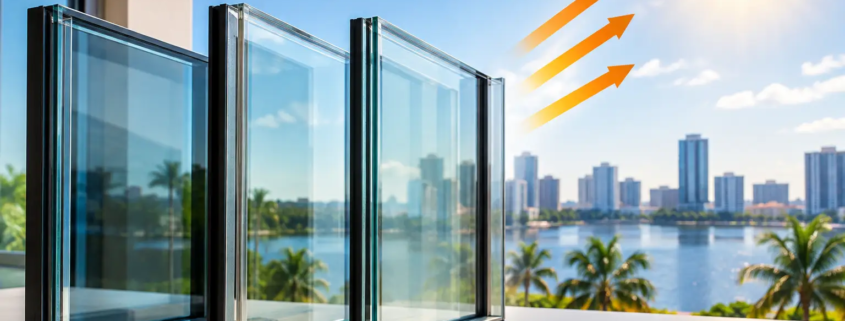
Low-E glass is one of the most practical features to ask about. A low-emissivity coating helps reflect heat while still allowing natural light into the home. The goal is not to darken every room or make your windows look heavily tinted. It is to manage solar heat gain so your home stays more comfortable without giving up the daylight you enjoy.

Just as important is the insulated glass unit itself. Dual-pane glass creates an insulating space between panes, and triple-pane glass adds another layer of separation. In a hot climate, triple-pane windows can offer stronger insulation, better interior comfort near the glass, and meaningful sound reduction. They are especially worth considering for bedrooms, nurseries, home offices, and rooms exposed to steady road noise.

That said, the right choice depends on the home. A well-built dual-pane window may be a sensible option for some projects, while a triple-pane product can deliver more value where heat, noise, and condensation resistance are bigger concerns. A good consultation should explain the difference clearly, not push a one-size-fits-all answer.

Florida Window Features That Improve Daily Comfort

Energy ratings matter, but homeowners live with the day-to-day details. The Florida window features that make the biggest difference are often the ones you notice every time you open a window, clean the glass, sit near it, or try to relax after a busy day.

Frames That Handle Heat and Humidity

The frame is not merely a border around the glass. It affects insulation, durability, maintenance, and the overall appearance of the window. Vinyl replacement windows remain popular because they are low-maintenance, energy efficient, and available in many styles. Quality matters here. A better-built vinyl frame is designed to stay stable through years of sun and changing temperatures rather than feeling thin or flexible.

Composite frames can be an excellent fit for homeowners who want a high-end appearance and strong performance with less upkeep than traditional wood. Real-wood windows bring warmth and architectural character that may be right for certain homes, but they require a homeowner who is prepared to maintain them properly in Florida’s humid environment.

No material is automatically best for every house. The right recommendation considers your existing architecture, maintenance expectations, budget, and how long you plan to enjoy the home.

Better Seals and Weatherstripping

A window can have advanced glass and still underperform if its sash and frame do not close tightly. Quality weatherstripping and a dependable locking system help reduce air leakage, which supports better cooling efficiency and keeps humid outdoor air from finding its way inside.

This is one reason professional installation matters as much as the product itself. Replacement windows need to be measured accurately, set squarely, insulated correctly, and finished carefully around the opening. A quality window installed poorly can leave a homeowner with the same drafts, water concerns, and frustration they hoped to eliminate.

Condensation Resistance

Florida humidity makes condensation a concern, especially in homes that are cooled heavily indoors. A window with good insulating performance helps keep the interior glass temperature more stable, reducing the chance of moisture collecting on the room-side surface.

Condensation is not always caused by the window alone. Indoor humidity levels, ventilation, blinds kept tightly closed, and activities such as cooking or showering also play a part. Still, upgraded glass packages and well-sealed frames give homeowners a stronger defense against moisture-related issues around their windows.

Choose Window Styles That Work for Your Home

Style should never be an afterthought. The right operating style affects ventilation, cleaning, security, sightlines, and curb appeal.

Double-hung windows are a familiar choice for many traditional homes and can provide flexible ventilation. Casement windows open outward with a crank, creating a wide opening and often providing a very tight seal when closed. They work well over kitchen sinks and in areas where you want a clear view with fewer visible frame lines.

Horizontal sliders are simple to operate and can suit rooms with wider openings. Awning windows hinge at the top, allowing ventilation while offering some protection from light rain. Hopper windows hinge at the bottom and are often useful in smaller spaces. Picture windows do not open, but they maximize light and views where ventilation is not needed.

For a larger visual statement, bay and bow windows project outward from the home, creating dimension, added daylight, and sometimes usable interior space. Garden windows are popular near kitchens because they extend outward and can provide a bright spot for herbs or small plants. Each style can improve a home, but only when it fits the wall, room function, and architectural design.

Noise Reduction Is a Real Quality-of-Life Upgrade

Busy streets, lawn equipment, nearby construction, barking dogs, and early morning traffic can make a home feel less restful. Sound control is one of the most appreciated benefits of upgrading older windows, particularly when homeowners choose insulated glass and stronger frame construction.

Triple-pane configurations can offer an added advantage because the extra glass layer and air spaces help disrupt sound transmission. However, sound reduction is not based on pane count alone. Glass thickness, spacing between panes, frame design, and installation quality all affect the result. If outside noise is a major concern, bring it up early in the estimate process so the window package can be selected with that goal in mind.

Safety, Security, and Florida Weather Considerations

Windows should make your home feel secure. Well-designed locks, sturdy frames, and properly operating sashes are basic features that should not be overlooked. If a current window will not lock, sticks when opened, or has a rotted or deteriorated frame, replacement is often about safety and reliability as much as appearance.

Homeowners should also understand the difference between standard replacement windows and impact-rated products. Orlando is not a coastal high-velocity hurricane zone, but Florida building requirements and local conditions still matter. Whether impact resistance is appropriate depends on your property, code requirements, insurance considerations, and personal preferences. A local contractor should explain the available options without making assumptions about what every home needs.

Curb Appeal That Does More Than Look Good

New windows can change the entire face of a house. Clean sightlines, consistent grids, frame colors that work with your exterior, and window styles that match the home’s character can make an older property look cared for again.

The best visual choices usually feel natural, not trendy for the sake of being trendy. Colonial grids may complement a traditional façade, while a clean grid-free design can suit a more contemporary home. A large picture window can frame a backyard view beautifully, but it may not be the right choice on a front elevation where symmetry matters more.

This is where seeing product samples and discussing elevations with a knowledgeable professional helps. You are making a long-term improvement, not selecting a short-term accessory.

Look Beyond the Window Itself

A window project should come with clear answers about measurements, lead times, installation day, cleanup, warranty coverage, and who will address concerns after the work is complete. Homeowners deserve a no-pressure estimate that explains what they are buying and why it fits their goals.

At Window Team USA of Orlando, that means matching the product to the home instead of treating every opening alike. Whether your priority is lowering cooling strain, reducing noise, updating worn-out frames, or improving curb appeal, the right features should provide practical value for years – backed by professional installation and accountable local service.

If your windows are showing their age, start by paying attention to the rooms that feel hottest, noisiest, or hardest to keep comfortable. Those everyday frustrations are often the clearest guide to the replacement window features that will make your home feel better.

How to Evaluate Installer Credentials Properly

How to Evaluate Installer Credentials Properly

A replacement window or door can look great on installation day and still cause expensive trouble later if it was measured, flashed, insulated, or sealed incorrectly. That is why knowing how to evaluate installer credentials matters just as much as comparing window frames, glass packages, and prices. In Central Florida, your installer needs to understand more than the product. They need to understand heat, heavy rain, wind-driven moisture, local code requirements, and the condition of the home they are working on.

The good news is that you do not need to be a contractor to make a smart decision. You simply need to ask clear questions, review the paperwork, and pay attention to how a company answers.

How to Evaluate Installer Credentials Before You Sign

Credentials are not one document or one sales promise. They are a combination of proper licensing where required, insurance coverage, product knowledge, installation experience, manufacturer relationships, and a willingness to stand behind the finished work.

Start by asking who will actually install your windows or doors. Will the work be completed by the company’s own installation team, a regular crew they manage closely, or a subcontractor? There is no automatic problem with a subcontractor, but the company should be direct about the arrangement and remain accountable for scheduling, workmanship, cleanup, and warranty service.

A trustworthy contractor will not act offended by these questions. Major home improvements deserve careful vetting. You are trusting a crew to work on openings in your home’s exterior envelope, where mistakes can lead to leaks, drafts, damaged trim, and reduced energy performance.

Confirm Licensing and Local Permit Knowledge

Ask the contractor for their license information and verify that it is current through the appropriate state or local authority. The exact licensing and permit requirements can vary based on the project scope and municipality, so avoid assuming that every window or door job follows identical rules.

What matters is whether the contractor understands the requirements that apply to your address and project. A qualified installer should be able to explain who will obtain permits when they are needed, whether inspections are expected, and how the work will meet applicable building codes.

Be cautious when a contractor tells you permits are never necessary or suggests that you should pull a permit yourself to avoid a problem. There are situations where permit rules differ, but a professional should explain the reason clearly rather than leave you carrying the responsibility.

For Orlando homeowners, code knowledge also has practical value beyond paperwork. Proper installation details help manage water intrusion during Florida storms and support the performance you expect from energy-efficient replacement windows, entry doors, and patio doors.

Ask for Proof of Insurance

Licensing and insurance are different protections. A licensed contractor may still have inadequate or expired insurance, so ask for current proof of general liability coverage and workers’ compensation coverage, or a clear explanation of the company’s lawful coverage arrangement.

General liability insurance can help protect against damage caused during the project. Workers’ compensation coverage matters because installation work involves lifting large glass units, using ladders, handling tools, and working around openings in the home. You do not want an injury on your property to become a question for your own insurance policy.

Review the document rather than accepting a verbal assurance. Make sure the business name matches the company you are hiring, and do not hesitate to call the insurance provider listed on the certificate if something seems unclear. A reputable company expects homeowners to protect their investment.

Look for Product-Specific Training and Real Experience

Replacement windows are not installed with a one-size-fits-all approach. Vinyl, composite, and real-wood products can have different handling, fastening, finishing, and expansion considerations. A patio door requires especially careful preparation because it must operate smoothly while managing water at the sill. An entry door needs correct alignment, weatherstripping, and secure hardware installation.

Ask how the crew is trained on the products being installed. Manufacturer training, ongoing field supervision, and experience with the specific style you selected are all meaningful signs. This is especially relevant for bay and bow windows, casements, large picture windows, and triple-pane units, which can require more planning and careful handling than a basic opening.

Experience alone is not enough if it is vague. Ask how long the installation team has worked together, how often they install similar products, and who you should contact if a question comes up during the job. Clear answers usually reflect an organized process.

If your home was built before 1978 and the project could disturb painted surfaces, ask about lead-safe work practices. A responsible contractor should recognize when this issue may apply and explain the steps required to protect your household.

Separate the Product Warranty From the Workmanship Warranty

A lifetime product warranty can be valuable, but it does not automatically cover installation errors. Read the warranty language and ask two separate questions: What does the manufacturer cover, and what does the contractor cover?

The manufacturer may cover components such as frames, glass seals, or hardware under specific terms. The installer’s workmanship warranty should address problems tied to the installation itself, such as improper sealing, fit, flashing, or operation. Ask how long workmanship is covered and what the service process looks like if you notice a problem after the crew leaves.

The response matters as much as the warranty length. A company that has a local office, a defined service process, and a reputation to protect is easier to reach than a contractor whose only answer is a phone number on an estimate. At Window Team USA of Orlando, that local accountability is part of treating homeowners the way we would want another home improvement company to treat Grandma.

Review the Estimate for Signs of a Professional Process

Credentials should show up in the paperwork. A detailed written estimate helps you compare contractors fairly and reduces surprises after work begins. It should identify the products, quantities, style choices, glass options, color or finish, and the work included in the price.

For installation, look for specifics on removal of old units, disposal, interior and exterior trim work, insulation and sealing, protection of surrounding areas, cleanup, and any expected repairs. If a contractor finds hidden rot or damage after removing an old window, the agreement should explain how that change will be documented and approved.

Do not choose solely on the lowest number. A lower price can reflect legitimate differences in product selection, but it can also leave out needed labor, weatherproofing materials, permit handling, or post-installation service. Ask each contractor to explain what is included so you are comparing the same scope of work.

Pay Attention to These Red Flags

A few warning signs deserve extra caution:

  • The contractor will not provide license or insurance information in writing.
  • The estimate is vague, with little detail about products or installation work.
  • You are pressured to sign immediately to keep a price that supposedly disappears that day.
  • The company cannot explain permits, inspections, or who performs the installation.
  • A promised warranty is not clearly stated in the contract.

One concern does not always mean a company is unqualified. Paperwork can contain an honest mistake, and a good contractor should correct it quickly. Repeated evasive answers, shifting explanations, or pressure tactics are different. Those are reasons to keep looking.

The right installer earns confidence before the first old window comes out. Ask for documentation, expect straightforward answers, and choose a team that treats careful installation as part of the product you are buying. Your home deserves work that performs well through the next hot summer, heavy storm, and family gathering.

Which Window Glass Blocks Heat Best in Orlando?

Which Window Glass Blocks Heat Best in Orlando?

The Orlando sun can turn a west-facing living room into the hottest room in the house long before the afternoon is over. If you are asking which window glass blocks heat, the short answer is glass with a low solar heat gain coefficient, usually paired with a quality Low-E coating. But the best replacement window is not determined by glass alone. The number of panes, the frame, the seal, and the installation all affect how comfortable your home feels and how hard your air conditioner has to work.

For Central Florida homeowners, the goal is usually clear: let in the daylight, keep out as much solar heat as possible, and avoid making the house feel dark or closed in. Here is how to compare the glass options that make the biggest difference.

Which Window Glass Blocks Heat Most Effectively?

For most Orlando-area homes, Low-E glass designed for warm climates is the best starting point. Low-E means low emissivity. The glass has a microscopically thin, transparent coating that reflects a portion of the sun’s infrared heat while still allowing visible light into the home.

Not every Low-E coating performs the same way. Some are designed to keep indoor heat inside during cold winters. That is useful in northern climates, but Florida homeowners generally benefit most from a solar-control Low-E coating that limits heat coming through the glass in the first place.

The performance number to watch is the Solar Heat Gain Coefficient, commonly called SHGC. It measures how much solar heat passes through a window. Lower numbers mean less heat enters your home. In a hot, sunny climate like Orlando, a lower SHGC is typically a better fit, especially on large windows facing east or west.

A window can have a lower SHGC and still provide plenty of natural light. That balance matters. Extremely dark tint may reduce glare and heat, but it can also change the appearance of your home, dim interior spaces, and make colors look less natural. A professionally selected Low-E glass package can often deliver strong heat control without the heavy, mirrored look many homeowners want to avoid.

Why Single-Pane Glass Falls Short in Florida

Older single-pane windows give heat very little resistance. When direct sun hits that glass, the interior pane gets hot and transfers that heat toward the room. Even if your air conditioner is running steadily, you may still notice warm spots near windows, fading furniture, and uneven temperatures from one side of the house to the other.

Single-pane units can also allow more noise through and are more prone to condensation when indoor and outdoor conditions differ. Replacing them with insulated glass is not just a cosmetic upgrade. It changes one of the weakest points in your home’s exterior shell.

Modern double-pane windows use two panes of glass separated by a sealed space. That airspace, often filled with argon gas, slows heat transfer compared with a single pane. Add the right Low-E coating, and double-pane insulated glass can be a major improvement for many Orlando homes.

Is Triple-Pane Glass Better for Blocking Heat?

Yes, triple-pane glass can offer another level of insulation and comfort. It uses three panes of glass and two sealed spaces, creating more protection between your conditioned indoor air and Florida’s heat and humidity.

Triple-pane windows are especially worth discussing if you have rooms that stay uncomfortable despite working air conditioning, windows exposed to strong afternoon sun, or a home near busy roads where sound reduction is also a priority. The added pane can help reduce outside noise while improving interior glass temperatures and condensation resistance.

That said, triple-pane is not automatically the right answer for every opening. Window size, orientation, budget, frame material, and the existing condition of your home all matter. A high-performing double-pane window with the correct Low-E glass may be the sensible choice in one area of the home, while triple-pane may provide the best value in a sun-soaked bedroom, a large picture window, or a noisy front-facing room.

The good news for homeowners is that advanced glass options are not limited to high-end custom projects. Window Team USA of Orlando helps homeowners compare glass packages based on real comfort concerns and the layout of their homes, not a one-size-fits-all sales pitch.

Low-E Coatings Do More Than Reduce Heat

The right Low-E coating works year-round. In summer, it reflects a portion of solar heat away from the home. During cooler weather, it can also help manage radiant heat transfer and keep your indoor temperatures more stable.

It may also help protect the things you have invested in indoors. Sunlight can contribute to fading in hardwood floors, rugs, upholstery, artwork, and cabinets. No residential window eliminates all fading, because visible light and other factors play a role, but heat-control glass can reduce the amount of damaging ultraviolet and infrared energy entering your rooms.

Homeowners sometimes worry that Low-E glass will make windows look noticeably tinted. Many modern options remain clear-looking from both indoors and outdoors. You can still enjoy your view, natural light, and curb appeal while choosing glass that works harder against the Florida sun.

The Glass Package Is Only Part of the Window

A quality glass unit cannot perform at its best if the rest of the window is poorly built or improperly installed. Heat can enter around loose frames, worn weatherstripping, failed seals, and gaps between the window and wall opening. That is why replacement-window performance should be evaluated as a complete system.

Look at the frame material and construction, the quality of the insulated glass seal, weatherstripping, locking hardware, and professional installation methods. A properly fitted window helps control air leakage, which affects both comfort and energy use. It also helps keep wind-driven rain where it belongs – outside.

Professional installation is particularly important in Orlando, where heavy rain, humidity, and storm-season conditions put exterior openings to the test. The best glass package on paper cannot make up for careless measuring, poor flashing practices, or rushed finish work.

How to Choose the Right Heat-Blocking Glass for Each Room

Start with how each room is used and where the windows face. A home office with morning sun may need glare control, while a family room with wide west-facing glass may need the strongest possible solar heat reduction. Bedrooms can benefit from quieter glass performance, while a shaded north-facing side of the home may not need the same package as an exposed patio wall.

Ask to see the actual performance ratings for the window you are considering. U-factor measures how readily a window transfers heat. Lower U-factor values generally indicate better insulating performance. SHGC tells you how much solar heat enters through the window, and lower values are often desirable in Central Florida. Visible transmittance indicates how much daylight comes through, which helps you understand the trade-off between heat control and brightness.

There is no reason to memorize every rating before speaking with a contractor. What matters is having someone explain what the numbers mean for your home. If a room is already dark, selecting the lowest possible SHGC without considering visible light may not be the best decision. If a large window gets direct afternoon sun for hours, choosing a glass package based only on appearance can leave you disappointed when the room still feels hot.

Do Window Films Work as Well as Replacement Glass?

Aftermarket window film can reduce heat and glare, so it may be a temporary option for a window that is otherwise in good shape. However, it does not correct air leaks, failed seals, warped frames, difficult operation, or water intrusion. Some films may also affect manufacturer warranties or create thermal stress concerns depending on the existing glass.

When windows are old, drafty, cloudy between panes, or hard to open and lock, replacement windows with factory-applied Low-E glass offer a more complete, durable solution. The coating is built into the insulated glass unit rather than added later as a surface fix.

What to Ask During a Window Estimate

A useful estimate should be a conversation, not a pressure-filled presentation. Explain which rooms are hottest, when the sun hits them, whether you hear traffic or neighborhood noise, and whether certain windows leak, stick, or show condensation. Those details help determine whether double-pane or triple-pane construction makes sense and which Low-E glass package best matches your priorities.

You should also ask about the product warranty, installation process, cleanup, and how the company handles any concerns after the project is complete. A replacement window is a long-term investment in your home. Fair pricing matters, but so does knowing who will stand behind the work.

The right heat-blocking glass should make your home feel more even and comfortable without forcing you to give up the daylight and views you enjoy. A no-pressure, in-home assessment can turn a confusing set of ratings into a practical recommendation for the rooms that need relief most.

When Should Windows Be Replaced in Orlando?

When Should Windows Be Replaced in Orlando?

A window can look acceptable from the driveway and still be costing your family money every month. In Central Florida, strong sun, heavy rain, high humidity, and long cooling seasons put windows to work year-round. The question, “when should windows be replaced,” usually becomes clear when comfort, operation, and energy performance start slipping at the same time.

Age matters, but it is not the only deciding factor. A well-built window that was properly installed may perform well for many years, while a lower-quality unit or one with installation issues may need attention much sooner. The right time to replace is when the window is no longer protecting your home, operating reliably, or delivering value worth keeping.

When Should Windows Be Replaced? Watch for These Signs

Most homeowners do not need a window expert to recognize the early warning signs. You live with your windows every day. If rooms feel hotter than they should, you hear traffic clearly through closed glass, or you avoid opening a window because it sticks, the problem is already affecting how you use your home.

Drafts and uneven room temperatures

A draft around a closed window is one of the clearest signs that its seals, weatherstripping, frame, or installation are no longer doing their job. In Orlando, the issue may not feel like cold winter air. More often, it shows up as a hot, stuffy room that is difficult to cool or a noticeable temperature difference near the glass.

Your air conditioner has to make up for that lost performance. Replacing inefficient windows with properly fitted, energy-efficient models can help reduce the heat entering your home and make rooms feel more consistent from one side of the house to the other.

Windows that stick, will not lock, or are hard to open

Windows should open, close, and lock without a fight. Difficulty operating a window can result from warped frames, failed hardware, foundation movement, moisture damage, or years of wear. It is more than an everyday annoyance.

A window that will not lock securely can affect home security. A window that will not open can also be a concern during an emergency. If several windows are hard to operate, replacement is often more practical than repeatedly repairing aging parts that may no longer be available.

Condensation between glass panes

Fogging or moisture trapped between panes is a strong indication that an insulated glass seal has failed. Once that seal is compromised, the insulating gas originally placed between the panes can escape, and the window loses much of its intended energy performance.

Condensation on the room-side glass is different. It can be related to indoor humidity, cooking, showering, or limited airflow. But moisture between panes cannot be wiped away and generally requires glass replacement or a new window. If the frame, hardware, and overall window are also aging, a complete replacement often makes better long-term sense.

Rot, corrosion, cracks, or water damage

Florida moisture can expose window problems quickly. Wood frames may show soft spots, peeling finishes, or rot. Metal components can corrode. Vinyl frames can crack or distort under years of heat exposure, particularly on heavily sun-facing walls.

Water stains on drywall, bubbling paint, or dampness around a window deserve prompt attention. The source might be the window itself, failed exterior caulking, flashing issues, or a roofing problem. A professional inspection helps identify the cause before replacing anything. Covering up water damage without correcting the entry point only invites a larger repair later.

Rising cooling costs and fading furnishings

Higher utility bills can have many causes, including an aging HVAC system, duct leakage, insulation gaps, and thermostat habits. Still, old single-pane windows, worn seals, and low-performance glass are common contributors in homes that depend on air conditioning for much of the year.

Sun exposure can also fade flooring, furniture, artwork, and window treatments. Modern replacement windows can be selected with glass packages designed to help manage solar heat gain and ultraviolet exposure while still bringing in the natural light you enjoy.

Window Age Is a Clue, Not a Deadline

Many older homes in the Orlando area still have original windows that are 20 years old or more. That does not automatically mean every window must be replaced tomorrow. The better question is whether those windows still operate well, seal properly, and support your goals for comfort and energy use.

If a window is relatively new but has one broken latch or a damaged screen, repair may be the sensible choice. If it has failed glass, frame deterioration, repeated leaks, drafts, and operating problems, putting more money into piecemeal repairs can become frustrating and expensive.

Replacement is also worth considering before a window fails completely when you are planning a larger home improvement project. New exterior paint, siding work, a remodel, or a major landscaping update can be a good time to address outdated windows and avoid disrupting finished work later.

Why Orlando Homes Need a Different Conversation

Replacement windows are not one-size-fits-all, especially in a hot, humid climate. A window that performs well in a mild climate may not be the best fit for an Orlando home with intense afternoon sun, large glass openings, or rooms that face a busy road.

The glass package matters as much as the frame. Homeowners should ask about energy ratings, low-emissivity coatings, insulated glass, and options such as triple-pane construction. Triple-pane windows can provide stronger insulation and sound reduction, but the best choice depends on the home, the opening, the budget, and what you want to improve. A quieter bedroom near traffic may justify a different solution than a shaded guest room.

Frame material is another practical decision. Vinyl can offer dependable efficiency and value. Composite options can provide added strength and a refined appearance. Real-wood windows may be the right choice for homeowners preserving a specific architectural style. A good recommendation should fit the house rather than steer every homeowner toward the same product.

Do Not Overlook Installation Quality

Even an excellent replacement window can underperform if it is measured or installed poorly. Gaps around the frame, improper flashing, weak insulation, and unfinished exterior sealing can lead to drafts, water intrusion, and disappointment with a product that should have performed much better.

That is why the estimate process should include more than a quick look at the glass. A qualified contractor should assess the condition of the existing opening, identify visible damage, discuss how each window is used, and explain what the installation will involve. You deserve clear answers about product options, scheduling, cleanup, warranty coverage, and who will be accountable after the job is complete.

At Window Team USA of Orlando, the goal is to help homeowners choose a durable solution that makes sense for their home and budget, not to pressure them into replacing windows that can reasonably be repaired.

Planning a Replacement Project Without Surprises

Replacing all windows at once can create a consistent look and may be the most efficient approach when most units are nearing the end of their service life. However, phased replacement can also work well when only certain rooms have major comfort issues or when you are planning around a household budget.

Start with the windows causing the biggest problems: failed seals, water damage, security concerns, or rooms that are difficult to cool. Consider your priorities at the same time. A picture window may be ideal for a great view and maximum daylight, while casement, double-hung, awning, or slider windows may better suit areas where ventilation matters. Bay and bow windows can add character and interior space, while a garden window can bring fresh light to a kitchen.

Before installation day, ask how furniture protection, old-window removal, trim work, and cleanup will be handled. Professional crews should respect your home, protect the work area, and leave you with windows that look finished inside and out.

If you are noticing hot rooms, fogged glass, difficult operation, or signs of moisture, do not wait for a window to become an emergency. A no-pressure evaluation can give you a clear picture of what needs repair, what should be replaced, and which upgrades will make your home more comfortable for the years ahead.

Wood Versus Vinyl Windows for Orlando Homes

Wood Versus Vinyl Windows for Orlando Homes

A window frame has a bigger job in an Orlando home than simply holding glass in place. It has to stand up to intense sun, high humidity, heavy rain, and months of air-conditioning demand while still looking right on the house. That is why the choice of wood versus vinyl windows deserves more than a quick look at the price tag.

Both materials can be part of a quality replacement project. The better choice depends on your home’s architecture, how much maintenance you are comfortable handling, your performance expectations, and whether preserving a traditional appearance is a priority. Here is a practical way to compare them.

Wood Versus Vinyl Windows: The Core Difference

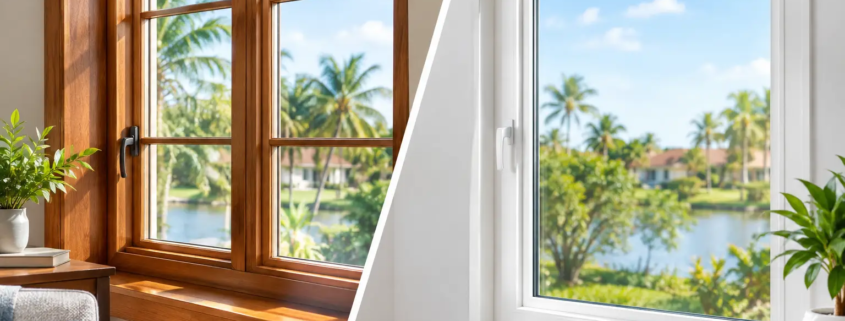
Wood windows bring natural character that is difficult to duplicate. Their warmth, depth, and ability to be painted or stained make them a strong match for historic homes, craftsman-style homes, custom builds, and properties with existing wood trim. A real-wood interior can make a living room, dining room, or front elevation feel finished in a way many homeowners value.

Vinyl windows are built around a different strength: dependable, low-maintenance performance. Quality vinyl frames do not need to be painted, will not rot, and are well suited to homeowners who want energy-efficient replacement windows without adding another exterior upkeep task. They are also available in a wide selection of operating styles, including double-hung, casement, sliding, picture, bay, bow, awning, and garden windows.

Neither material is automatically better in every home. The question is which set of trade-offs works better for yours.

How Orlando Weather Changes the Decision

Central Florida weather is hard on exterior materials. Direct sunlight, moisture, wind-driven rain, and long cooling seasons expose weaknesses quickly. A frame that looks good on installation day needs to keep operating smoothly and protect the opening for years afterward.

Vinyl Handles Moisture With Less Work

Vinyl does not absorb water, which is a major practical advantage in a humid climate. It will not peel, blister, or rot the way neglected wood can. Homeowners can generally clean vinyl frames with mild soap and water, inspect the seals, and keep the tracks clear of dirt and debris.

That low-maintenance appeal is a big reason vinyl is so common in Orlando replacement projects. For a busy family, fewer painting and refinishing responsibilities can mean real value over the life of the windows.

Not all vinyl is equal, however. Lower-grade frames can be thinner, less stable, and more limited in color and structural performance. A well-built replacement window should have a durable frame design, quality weatherstripping, properly engineered corners, and glass options suited to Florida’s climate.

Wood Needs Consistent Protection

Wood is naturally insulating and structurally strong, but it needs a well-maintained finish to stay that way. Paint, stain, exterior cladding, sealants, and proper flashing all matter. When water gets behind a failing finish, wood can swell, soften, or decay.

That does not mean wood is a poor choice in Orlando. It means ownership requires a plan. A homeowner who appreciates wood’s appearance and is prepared to inspect finishes, address peeling paint promptly, and maintain caulk lines can enjoy real-wood windows for many years. For homeowners who would rather not think about exterior finish maintenance, vinyl is usually the more practical material.

Energy Efficiency Is About More Than the Frame

It is easy to assume vinyl always delivers better efficiency, but the full window system matters more than the frame material alone. Glass package, air tightness, spacer system, weatherstripping, installation quality, and the size and orientation of the opening all affect comfort and cooling costs.

In Orlando, low-emissivity glass and appropriate solar heat gain control are especially important. The right glass helps reduce the amount of heat entering through your windows while still allowing useful natural light into the home. Triple-pane configurations can add another layer of insulation and can also help reduce outside noise, although the best fit depends on the home, budget, and existing window conditions.

Vinyl frames are naturally good insulators and do not conduct heat like metal frames. Wood also performs well thermally because it is not highly conductive. A poorly installed premium wood window can still underperform, while a properly installed, energy-efficient vinyl window can make an immediate difference in comfort near sunny rooms.

This is why an in-home assessment matters. The right recommendation should consider whether rooms feel hot in the afternoon, whether you see condensation, whether street noise is an issue, and whether the existing windows are leaking air or difficult to operate.

Appearance and Architectural Fit

This is where wood often has its strongest case. If your home has original wood windows, detailed interior casing, stained millwork, or a traditional façade, real wood can preserve the look that gives the house its personality. Wood can be painted to match changing color schemes or stained to complement interior finishes.

Vinyl has improved significantly in appearance, but it still has design limits. It cannot be stained like real wood, and its color options are set at the factory. On the other hand, a clean, well-proportioned vinyl window can look excellent on many ranch, contemporary, Mediterranean-influenced, and suburban Orlando homes. It can also provide a crisp update when aging aluminum windows make a home look dated.

For homeowners who want a wood look without full wood maintenance, high-end composite window options may be worth discussing. These products are designed to provide strength and attractive finishes while reducing some of the maintenance concerns associated with exposed wood.

Cost: Look at Ownership, Not Just Installation Day

Vinyl windows usually have a lower upfront cost than real-wood windows. That makes them a strong value for homeowners replacing many openings at once, improving energy performance, or preparing a home for long-term use without stretching the project budget.

Wood windows generally cost more because of the material, craftsmanship, and finishing involved. Over time, they may also require painting, staining, or repairs that vinyl does not. Yet a higher price can be justified when preserving architectural integrity is essential. On the right home, replacing original-looking wood with a mismatched material can hurt the appearance more than it helps the budget.

The best value is not always the lowest bid. It is a window that fits the home, performs as promised, is installed correctly, and is supported by a clear warranty. Poor installation can create drafts, water intrusion, difficult operation, and trim problems regardless of frame material.

Maintenance and Everyday Use

For most homeowners, this section makes the decision clearer. Vinyl is the easier choice when your priority is minimal upkeep. It does not need repainting and is simple to clean. You still need to keep weep holes and tracks clear, check screens, and report any operational problems, but routine care is straightforward.

Wood requires more attention, especially on exterior surfaces exposed to sun and rain. Inspect the frames periodically for peeling paint, cracking caulk, soft areas, or signs of moisture. Addressing small issues early is far less expensive than waiting for damage to spread into trim, siding, or the wall opening.

Inside the home, both materials can be easy to live with when paired with the right operating style. Double-hung windows suit many bedrooms and traditional elevations. Casement windows provide strong ventilation and are popular over kitchen sinks. Picture windows bring in broad views and daylight, while sliders can be a practical choice where outward-swinging sashes are not ideal.

Which Window Material Is Right for Your Home?

Vinyl is usually the better fit when you want reliable energy performance, lower maintenance, and strong overall value. It is especially practical for homeowners replacing older aluminum windows, addressing high cooling costs, or upgrading several windows throughout the house.

Wood may be the better choice when authentic appearance is central to the home’s value. It is worth considering for historic properties, custom homes, interiors with substantial stained woodwork, and projects where you want paintable or stainable frames that closely match existing details.

If you are caught between the two, do not make the decision from a small showroom sample alone. Look at the direction each opening faces, how the room is used, where moisture exposure is greatest, and what you want the home to look like ten years from now. A local, no-pressure consultation can help you compare options based on the actual conditions of your home, not a one-size-fits-all sales pitch.

The right replacement windows should make your home quieter, more comfortable, easier to maintain, and better suited to the way your family lives. Choose the material that earns its place on your house year after year.

Entry Doors That Work Hard for Orlando Homes

Entry Doors That Work Hard for Orlando Homes

A front door has a tougher job in Orlando than many homeowners realize. Entry doors stand up to punishing sun, heavy rain, humidity, daily use, and the occasional wind-driven storm, all while setting the tone for the home. If yours sticks, leaks, looks faded, feels hot to the touch, or has gaps around the frame, replacement can improve far more than curb appeal.

The right door should feel solid when it closes, help keep conditioned air inside, and complement the home without creating another maintenance project. Choosing well starts with looking beyond color and decorative glass. Material, construction, glass package, hardware, security, and professional installation all affect how the door performs over time.

What to Look for in Entry Doors

The best entry door is not automatically the most expensive one or the one with the most ornate design. It is the door that fits your home, handles Central Florida conditions, and delivers lasting value for the way your family lives.

A good starting point is to consider what your current door is failing to do. Some homeowners are tired of a dated appearance. Others notice water near the threshold after a hard rain, feel warm air around the frame, or struggle with a lock that no longer lines up correctly. Those symptoms can point to problems with the door slab, weatherstripping, threshold, frame, or installation.

A replacement project gives you the opportunity to address the whole opening rather than covering up the issue with a fresh coat of paint. That matters because even a well-made door cannot perform as intended if the surrounding frame is deteriorated or the opening is not properly sealed.

Material Makes a Real Difference

Fiberglass is a practical choice for many Orlando homes. It can provide the look of stained wood or a painted finish without demanding the same level of upkeep as natural wood. Quality fiberglass doors resist dents, moisture-related movement, and fading better than many older door materials. They are also available with insulated cores that can help reduce heat transfer.

Steel entry doors are known for strength and security. They can be an excellent value, especially when homeowners want a clean, classic look and a durable surface. However, the quality of the steel, protective finish, core, and edge construction matters. A low-quality steel door may be more vulnerable to dents or surface damage, particularly if it is exposed to harsh weather without adequate protection.

Wood entry doors bring natural character that is hard to duplicate. For the right home, especially one with a covered entry and a commitment to routine finishing and maintenance, real wood can be a beautiful choice. The trade-off is that Florida heat and humidity can be demanding. Wood requires attention to protect it from moisture, sun exposure, and seasonal expansion and contraction.

There is no one material that works best for every home. A homeowner with a fully covered front porch may have different options than someone whose door faces direct afternoon sun and driving rain. A clear consultation should account for the home’s exposure, architecture, budget, and maintenance expectations.

Energy Performance Starts at the Opening

When cooling costs are a concern, homeowners often think first about windows or attic insulation. The front door deserves attention too. An older or poorly installed door can allow heat and humid outside air into the home through gaps at the jamb, threshold, and weatherstripping.

An energy-efficient door system typically combines an insulated slab with a well-built frame, compression weatherstripping, an adjustable threshold, and proper sealing around the opening. Each part has a job to do. If the threshold is worn or the sweep no longer makes contact, air and water can find their way inside even when the door itself still looks acceptable.

Glass inserts deserve a closer look as well. Decorative glass can add light and personality, but not every glass package performs the same. Insulated glass helps limit heat transfer compared with single-pane glass, while Low-E coatings can help manage solar heat gain. The best choice depends on the door’s orientation, amount of shade, and how much natural light you want at the entry.

More glass is not always better in a hot climate. A door with sidelights and a large glass panel can create a welcoming entrance, but it may need the right insulated glass package to avoid making the foyer hotter or less private. Frosted, textured, or patterned glass can provide daylight while keeping the interior more secluded.

Security Should Feel Built In

A beautiful front door should also help homeowners feel secure. Security begins with a strong frame and a door that closes squarely into the opening. From there, details such as a quality deadbolt, reinforced strike plate, long mounting screws, durable hinges, and a properly aligned latch make a meaningful difference.

Many entry systems also offer multi-point locking hardware. Instead of securing only at the center of the door, this type of system engages at several points along the frame. It can improve the door’s seal and provide an added measure of security. It is especially worth discussing for taller doors, doors with glass, or homes where homeowners want a more substantial closing feel.

If your home needs a door that meets specific wind or impact requirements, product selection should be based on the applicable local code and the opening’s location. This is not an area for guesswork. The correct door, glass, hardware, and installation method must work together to meet the project’s requirements.

Curb Appeal Is More Than a Fresh Color

The front entry is one of the first things guests, neighbors, and prospective buyers notice. Replacing a faded, damaged, or undersized door can change the look of the entire façade. But visual appeal works best when the proportions are right.

A single door may suit a modest entry, while a wider opening could benefit from sidelights, a transom, or double doors. Contemporary homes often look best with clean lines and simple glass patterns. Traditional homes may call for raised panels, divided-light glass, or a stained wood appearance. The goal is not to chase a trend that will feel dated in two years. It is to choose a door that looks like it belongs on your home.

Color should work with the roof, exterior paint, trim, and landscaping. Bold colors can make an entry memorable, but a classic black, deep blue, warm wood tone, or crisp white may offer broader long-term appeal. If your home receives direct sun, ask about finish performance and maintenance recommendations before settling on a dark shade.

Why Installation Is Part of the Product

An entry door replacement is not just a matter of removing one slab and hanging another. The installer must evaluate the existing opening, check for damage, prepare the sill, secure the frame correctly, insulate and seal the perimeter, and make precise adjustments so the door operates smoothly.

Poor installation can lead to drafts, water intrusion, lock alignment problems, premature wear, and a door that feels flimsy despite being well made. A professional installer should take the time to ensure consistent reveals around the door, proper threshold contact, smooth lock operation, and a clean finished appearance inside and out.

This is also why a no-pressure estimate should include more than a quick measurement and a price. Homeowners deserve to understand the material options, the condition of the existing opening, what installation work is included, and how warranty coverage applies. Clear communication before work begins makes for fewer surprises later.

Questions Worth Asking Before You Choose

Before committing to a new door, ask how the material will hold up in direct Florida sun, what insulation and glass options are available, and whether the system includes a strong frame and weatherstripping. Ask how the installer will address any damaged wood or moisture at the opening. It is also reasonable to ask what hardware is included, how the finish should be maintained, and what the product and installation warranties cover.

Price matters, but it should not be the only comparison point. A low initial price can become expensive if it leaves you with poor sealing, weak hardware, or a door that needs attention long before it should. Fair value comes from a product that fits the home, is installed with care, and is backed by people who will stand behind the work.

For Orlando homeowners, a new front door is a daily-use upgrade that can make the home feel more comfortable, secure, and cared for every time you come home. When you are ready to replace yours, choose a team that will inspect the opening, explain the options plainly, and treat your investment with the same respect they would want for Grandma’s home.