Federal Tax Credit Replacement Windows in 2026

Federal Tax Credit Replacement Windows in 2026

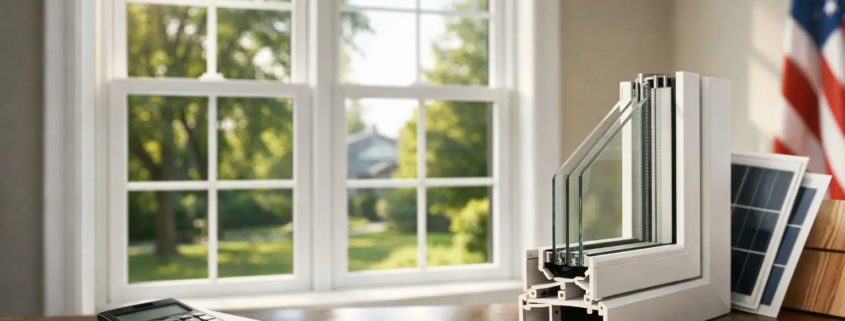
A lot of homeowners start a window project by asking one practical question: “Can I get a tax credit for this?” For federal tax credit replacement windows, the answer changed at the start of 2026. The federal Energy Efficient Home Improvement Credit that helped many homeowners offset qualifying window purchases was scheduled to apply only to improvements placed in service through December 31, 2025.

That does not make efficient replacement windows any less worthwhile for an Orlando home. It simply means the project should be evaluated on the benefits you can experience every day: better comfort near the glass, less outside noise, stronger protection from the summer heat, improved appearance, and potentially lower cooling demand. Tax rules can change, so homeowners should always confirm current requirements with a qualified tax professional before relying on any incentive.

The 2026 status of federal tax credit replacement windows

For qualifying windows installed during the years the Energy Efficient Home Improvement Credit was available, homeowners could generally claim 30% of eligible product costs, up to a maximum of $600 for windows and skylights combined. The overall annual credit limit for qualifying energy improvements was generally $1,200.

However, this was not a discount taken off the installation quote. It was a nonrefundable federal income tax credit. A homeowner had to qualify under the tax rules, have enough federal tax liability to use the credit, and file the proper tax form. Any project completed after the credit’s expiration date should not be assumed eligible simply because the same window model qualified in a prior year.

The date that matters is typically when the improvement was placed in service, meaning the installation was completed and the window was ready for use. Ordering windows in 2025 but completing installation in 2026 may not create eligibility under the expired credit. That is one reason clear scheduling and complete project paperwork matter.

Florida also does not have a state individual income tax, so homeowners should be especially careful not to confuse a past federal credit with a Florida tax incentive. Utility programs, manufacturer promotions, and local financing options are separate matters with their own terms.

What qualified under the previous federal credit

When the credit was active, not every replacement window qualified. The product had to meet the federal efficiency standard in effect for the applicable tax year. For windows, that generally meant meeting ENERGY STAR Most Efficient requirements, which are more demanding than simply buying an ENERGY STAR-labeled product.

That distinction matters. A window can be a substantial improvement over old, drafty glass and still not meet the specific threshold used for a tax credit. Homeowners should never assume that a low-E coating, double-pane construction, or an ENERGY STAR label alone makes a product credit-eligible.

Under the prior rules, the credit generally applied to eligible product costs, not labor or installation costs. Professional installation remains essential to the window’s long-term performance, weather resistance, operation, and warranty coverage, but it was not typically included in the credit calculation.

The former credit also had a shared cap. Installing several qualifying windows did not mean receiving $600 for each opening. The maximum for windows and skylights combined was generally $600 per year, subject to the larger annual home-improvement credit limit and the homeowner’s available tax liability.

If you installed qualifying windows in 2025

Homeowners who completed a qualifying project by December 31, 2025 may still need to claim the credit when filing their 2025 federal return. Keep your records organized before tax season, especially if you expect to work with a tax preparer.

Your paperwork should include the final invoice showing the product and installation completion date, proof of payment, product information, and any manufacturer certification or qualifying product identification number provided for the tax credit. The IRS may require specific information when the credit is claimed, and a detailed invoice helps establish what was purchased.

Do not rely on an estimate, a verbal statement, or a broad product brochure as proof that your exact windows qualified. A replacement window project can include different glass packages, sizes, styles, and options. Eligibility depended on the specific product configuration installed in your home.

If your project involved both windows and doors, review each category separately. Certain qualifying exterior doors may have been eligible for a credit under different limits, while patio doors and other products may have been treated differently depending on the product and applicable rules. A tax professional can help determine what belongs on your return.

Tax credits are not cash rebates

This is an easy point to miss. A nonrefundable credit can reduce the federal income tax you owe, but it does not necessarily result in a dollar-for-dollar check beyond your tax liability. It also should not be treated as guaranteed project savings until your tax situation has been reviewed.

For that reason, responsible window planning starts with the installed value of the project, not the possible credit. If a window is right for your home only because of a tax incentive, it may not be the right window for your home.

Choosing replacement windows for Orlando’s climate

Central Florida puts windows to work. Long cooling seasons, powerful sun exposure, sudden rain, humidity, and outdoor noise all affect what homeowners feel inside. The right replacement window package should be chosen for the orientation of the house, the condition of the existing openings, the style of the home, and how each room is used.

For example, a sunny west-facing living room may benefit from glass designed to limit solar heat gain, while a bedroom near a busy road may call for a stronger sound-control package. A picture window can maximize daylight and views but does not provide ventilation. Casement, awning, double-hung, and horizontal slider windows each offer different airflow, cleaning, and design advantages.

Triple-pane windows can be an excellent fit where homeowners want higher insulation value, improved sound reduction, or a more comfortable interior glass surface. Still, they are not automatically the best choice for every opening. A quality dual-pane product with the right low-E glass, proper air sealing, and professional installation can be a smart value in the right location. The best recommendation should be based on performance goals, not a one-size-fits-all pitch.

Look beyond the label before you buy

Energy ratings are useful, but they are only part of the decision. Ask how the window will perform as a complete installed system. That includes the frame material, glass package, weatherstripping, hardware, reinforcement, drainage design, installation method, and warranty.

Vinyl windows can deliver strong efficiency and low maintenance at an approachable price point. Composite options can offer added strength and a refined appearance. Real-wood windows may be the right architectural choice for certain homes, particularly when interior character is a priority. Each material has trade-offs involving cost, maintenance, appearance, and performance.

Professional installation deserves the same attention as the window itself. Even a high-performing product can disappoint if the opening is not measured correctly, flashing and sealing are handled poorly, or the finished trim leaves gaps. Homeowners should expect a clear explanation of what will happen before, during, and after installation, along with workmanship accountability and warranty details.

Plan the project around lasting value

If a new federal incentive is created in the future, review the law carefully before making a purchase decision. Ask whether the credit applies to your exact window configuration, whether installation costs count, whether there is a product identification requirement, and what completion date applies. Programs change, and marketing language can sometimes make a limited incentive sound broader than it is.

In the meantime, focus on the reasons replacement windows matter right now. Windows that are hard to open, fogged between panes, leaking air, collecting condensation, or making rooms uncomfortable are already telling you something about your home. Replacing them can improve daily comfort and help protect the look and function of your property for years.

A good estimate should help you understand the choices without pressure: which windows fit your home, where upgraded glass makes the most sense, what the installation includes, and what the final investment covers. At Window Team USA of Orlando, that practical, homeowner-first conversation is where a well-planned window project begins.
Sliding Patio Doors That Work for Orlando Homes

Sliding Patio Doors That Work for Orlando Homes

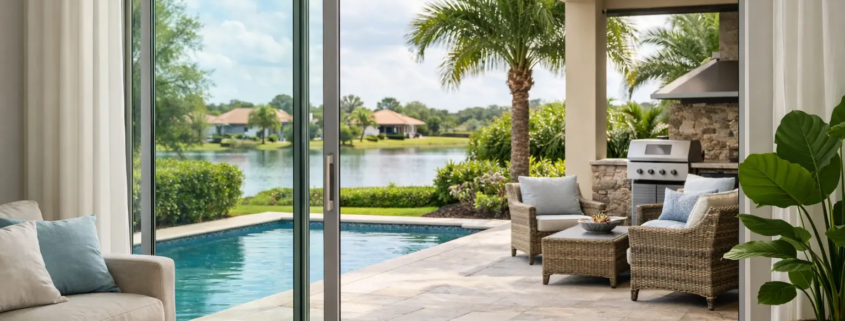
A patio door should do more than give you a path to the backyard. In an Orlando home, it is also a large glass opening that can affect cooling costs, indoor comfort, noise levels, security, and the way a room looks and feels. When older sliding patio doors are hard to move, fogged between the panes, leaking air, or letting in too much Florida heat, replacement is about practical performance as much as appearance.

The right door can make a busy family room feel quieter, keep afternoon sun from taking over the space, and provide a cleaner view of the patio or pool area. The wrong choice can leave you with a door that looks good on day one but struggles with heat, moisture, or everyday use. Here is what Orlando homeowners should consider before replacing a sliding patio door.

Why Sliding Patio Doors Matter in Central Florida

Sliding patio doors are popular because they save floor space. Unlike a hinged door, a sliding panel moves along a track, so it does not swing into a living room, kitchen, lanai, or dining area. That simple design makes them especially useful where furniture, traffic flow, and outdoor access all need to work together.

But Orlando’s climate raises the stakes. Long cooling seasons, strong sun, high humidity, and sudden rainstorms can expose weaknesses in an aging door. A thin glass package, worn weatherstripping, damaged rollers, or an out-of-square frame may allow heat and humid air into the home. Your air conditioner then has to work harder to maintain a comfortable temperature.

A quality replacement door addresses those issues as a complete system. The frame, glass, weatherstripping, rollers, locks, and installation all matter. Focusing only on the visible glass or the lowest quoted price can miss the parts that determine how the door performs over time.

What to Look for in Replacement Sliding Patio Doors

Energy-efficient glass that fits the exposure

Glass makes up most of a patio door, which means its performance deserves careful attention. Low-E glass coatings help manage solar heat gain while still allowing natural light into the home. Insulated glass units add another layer of protection compared with older single-pane doors.

The best glass package depends on where the door faces and how much direct sunlight it receives. A west-facing opening that gets intense afternoon sun may need a different approach than a shaded door facing north. A knowledgeable consultation should account for the opening, the home’s cooling needs, and how you use the room, rather than treating every patio door the same.

For homeowners concerned about utility bills, high-performance glass can be one of the most meaningful improvements. It will not eliminate the need for air conditioning in a Florida summer, but it can reduce heat transfer at one of the home’s largest openings and help the room hold a more even temperature.

A frame built for moisture and daily operation

A sliding door is used differently than a picture window. It must open smoothly, close tightly, drain water properly, and stand up to years of movement. Frame material affects all of that.

Vinyl patio doors are a strong option for many Orlando homes because they are low maintenance, resist moisture, and offer dependable energy performance. Higher-end composite options can provide added strength and stability, particularly for larger openings. The right material depends on the size of the door, your home’s style, your budget, and the performance you expect.

Pay attention to the operating hardware as well. Quality rollers and a well-designed track make a noticeable difference every day. A door should slide without forcing, dragging, or lifting the panel. If a large glass door feels difficult to operate when new, it is not likely to improve with age.

Weather protection that is more than a promise

Central Florida rain can arrive fast and hard. A patio door needs effective weatherstripping, properly designed sill drainage, and an installation that directs water away from the home. These details are easy to overlook in a showroom, but they are essential in the field.

Professional installation starts with a careful evaluation of the existing opening. The installer should check for signs of water damage, framing concerns, uneven surfaces, and conditions that could affect the new door. Installing a good door into a compromised opening is not a lasting solution. The work around the frame matters just as much as the product itself.

Security and peace of mind

A patio door is an exterior entry point, so the lock and panel design deserve attention. Look for a secure locking system, sturdy meeting rails, and options that help prevent the moving panel from being lifted out of its track. Many homeowners also appreciate upgraded handles and hardware that feel solid in hand and complement the interior finish.

Security should not require sacrificing convenience. The door should lock easily, operate smoothly, and provide a clear visual connection to the outdoor space. If you have children, pets, or frequent guests using the patio, ease of use becomes part of the value.

Choosing the Right Configuration for Your Space

The standard two-panel sliding door has one fixed panel and one operating panel. It is a practical choice for many openings and works well when you need a straightforward replacement without changing the wall structure.

For wider views and greater access to a pool deck or lanai, a three-panel configuration may be worth considering. It can create a more open feel and bring in additional light, though it requires a larger opening and may involve more investment. Some homeowners prefer a center-opening arrangement, where two active panels slide apart from the middle. This can be an attractive option for entertaining areas, but the right layout depends on available wall space and how the patio is used.

A consultation should also consider which side the operating panel should be on. That decision can affect furniture placement, access to the grill or pool, and how naturally people move through the room. It is a small detail that is much easier to get right before installation than after.

Signs It Is Time to Replace Your Patio Door

A little dirt in the track does not automatically mean you need a new door. In some cases, cleaning the track or replacing rollers can improve operation. Still, recurring problems usually point to a door nearing the end of its useful life.

Consider replacement if you notice several of these issues:

  • The door sticks, drags, or requires real effort to slide.
  • You feel heat near the glass or notice rooms becoming uncomfortable in direct sun.
  • Condensation or fog appears between glass panes.
  • Water enters around the frame during heavy rain.
  • The lock does not engage securely, or the frame and panels feel loose.
  • Outside traffic, neighbors, or lawn equipment seem louder than they should.

These concerns can overlap. A door that is hard to operate may also have worn seals. A fogged glass unit may also be less effective at insulating the home. Replacing the full unit can be a better long-term value than repeatedly repairing components on an outdated system.

Why Installation Quality Changes the Result

Even an energy-efficient patio door cannot deliver its full value if it is poorly installed. Gaps, improper shimming, inadequate sealing, and missed drainage details can lead to air leakage, water intrusion, operation problems, and premature wear.

That is why homeowners should ask who will install the door, how the opening will be prepared, and what happens if hidden issues are found after the old unit is removed. Clear answers are a sign of a contractor who respects your home and your investment.

At Window Team USA of Orlando, the goal is not to push a one-size-fits-all door. It is to help homeowners choose a durable option that fits the opening, the home’s style, and the demands of Central Florida, then install it with care. A free, no-pressure estimate gives you the chance to ask direct questions about glass, frame materials, warranties, timing, and price before any work begins.

A Better View Starts With a Better Plan

A new patio door can brighten the room, improve access to the outdoors, and help make your home more comfortable through Orlando’s hottest months. Still, the best choice is rarely just the door with the biggest glass panel or the lowest initial price. It is the one with the right performance package, dependable operation, strong installation, and warranty support you can count on.

Before you replace your sliding patio door, take a few minutes to think about what is not working now. Whether it is afternoon heat, a sticking panel, water concerns, outside noise, or an outdated look, those details point toward the features that will make the upgrade worthwhile for years to come.

Exterior Entry Doors Built for Orlando Homes

Exterior Entry Doors Built for Orlando Homes

A front door has a tougher job in Central Florida than most homeowners realize. It stands up to direct sun, summer rain, humidity, daily use, and the occasional hard windstorm, all while setting the first impression of your home. The right exterior entry doors do more than freshen up curb appeal. They can help reduce unwanted heat, improve day-to-day comfort, strengthen security, and make arriving home feel better.

If your current door is faded, swollen, difficult to lock, drafty, or simply out of step with the rest of your home, replacement may be a smart investment. The key is looking beyond color and choosing a door system that fits your home, climate, and long-term expectations.

What a Quality Entry Door Should Do

An entry door is not just a decorative slab in an opening. It is a complete system that includes the door, frame, threshold, weatherstripping, hinges, lock preparation, and installation. A weakness in any one of those areas can affect how the door performs.

For Orlando homeowners, heat and moisture management matter. A poorly insulated or poorly fitted door can allow hot, humid outside air into the home. That may make rooms near the entry feel less comfortable and put extra demand on the air conditioner. Quality exterior entry doors use insulated cores, reliable weatherstripping, and tightly built frames to create a better barrier between your conditioned space and the Florida weather.

Security is another practical concern. A solid door, reinforced frame, dependable deadbolt area, and properly installed strike plate work together to help protect the home. Decorative glass can still be part of a secure entryway, but it should be thoughtfully selected and paired with a well-built door system.

Then there is appearance. Your front entry is one of the first details guests, neighbors, and potential buyers see. A replacement door can bring balance to an older facade, complement new windows, or give a familiar home a more current look without changing its character.

Choosing Exterior Entry Doors by Material

The best material depends on your priorities. Budget, maintenance preferences, exposure to sun and rain, architectural style, and desired finish all play a role. There is no single right answer for every house.

Fiberglass: A Strong Fit for Florida Conditions

Fiberglass entry doors are a popular choice because they offer durability, insulation, and design flexibility. They resist dents better than many steel doors and do not have the same tendency to swell or warp as natural wood when moisture levels change. Many fiberglass doors can also be finished to resemble real wood grain, giving homeowners a warm traditional look with less upkeep.

For homes that receive strong afternoon sun or frequent rain exposure, fiberglass is often a sensible balance of performance and appearance. It can cost more upfront than a basic steel option, but the long-term durability can make that investment worthwhile.

Steel: Practical Security and Value

Steel doors can be an excellent option for homeowners focused on strength and value. A quality steel door typically includes an insulated core and can provide a clean, classic appearance. It is also available in many panel styles, from simple six-panel designs to more contemporary profiles.

The trade-off is that steel can dent, and scratches should be addressed before they lead to rust. In a covered entryway with reasonable protection from the elements, steel can be a dependable, cost-conscious choice. In a highly exposed location, homeowners may prefer fiberglass for its resistance to everyday wear.

Wood: Natural Beauty With More Maintenance

Real wood exterior doors bring depth and craftsmanship that other materials work hard to imitate. They can be a beautiful choice for historic homes, Mediterranean-inspired architecture, and entries where natural grain is central to the design.

Wood does require attention in Florida. Sun, moisture, and temperature changes can affect the finish over time, so periodic refinishing and careful maintenance are part of ownership. A properly protected wood door can look exceptional, but it is best for homeowners prepared to maintain it.

Energy Efficiency Is More Than the Door Panel

Homeowners often ask whether a new entry door can help with cooling costs. It can, especially when the existing door has gaps, worn weatherstripping, or an uninsulated core. Still, the whole assembly matters more than a single product label.

Look for an insulated door construction, durable compression weatherstripping, and a properly sealed threshold. If you are adding glass, consider insulated glass packages designed to manage solar heat gain. Glass can bring welcome daylight into a dark foyer, but a large amount of clear glass on a sun-facing entry may also bring in more heat. The right glass selection depends on the orientation of your home and how much direct sun the entry receives.

Professional installation is where performance becomes real. Even a well-made door can leak air or bind if the opening is not properly prepared, the frame is out of square, or the threshold is not sealed correctly. A contractor should inspect the surrounding condition, address issues that could affect the new door, and ensure the system opens, closes, latches, and seals as it should.

Design Details That Change the Whole Entry

A new door should fit the home instead of looking like an afterthought. Start by considering the existing architecture, trim, roof color, shutters, and window style. A traditional home may benefit from raised panels and decorative glass, while a more contemporary home can look sharp with a smooth surface, clean lines, and narrow glass inserts.

Color deserves practical thought, too. Dark colors can make a strong statement, but they may absorb more heat in a fully exposed entry. That does not rule them out, especially with the right material and finish, but it is worth discussing with an experienced door professional.

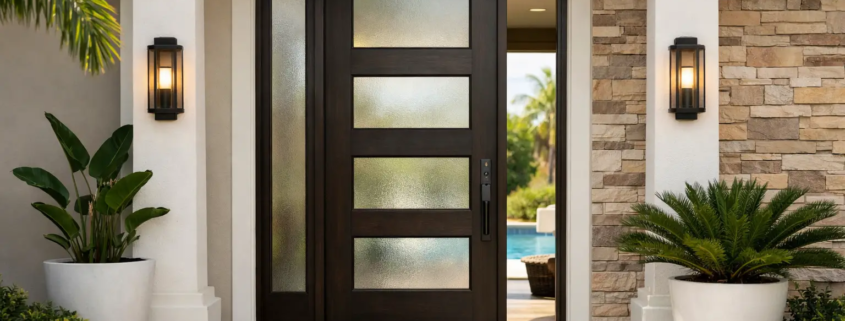
Glass options can create a more welcoming entry without giving up privacy. Obscured, rain, textured, and decorative glass patterns allow light through while limiting clear views into the home. Sidelites and transoms can make a compact entry appear larger and brighter, though they also add to the scope of the project and should be selected with energy performance and security in mind.

Hardware is the finishing touch. Choose a finish that works with your home and a handle set that feels comfortable and substantial in daily use. Make sure the lock configuration supports the level of security you expect, including any smart-lock features you plan to use.

Signs It Is Time to Replace Your Entry Door

Some door problems are obvious, such as visible damage or a lock that no longer works properly. Others show up gradually. You may notice light around the edges of the door, a draft near the threshold, rainwater entering during a storm, peeling finish, soft or damaged framing, or a door that sticks when humidity rises.

Difficulty opening and closing is not always a door-panel issue. It can point to worn hinges, frame movement, settling, moisture damage, or an installation problem. A qualified assessment can determine whether a repair makes sense or whether replacement will provide better value.

Replacement is especially worth considering when multiple problems are present. A door that looks tired, seals poorly, and no longer feels secure is unlikely to be solved with a new coat of paint alone.

What to Expect From a Professional Door Project

A quality replacement starts with an in-home consultation, not a guess based on a quick measurement. The contractor should discuss your goals, inspect the opening, review material and glass options, and explain what is included in the work. You should understand the product, installation process, warranty coverage, and price before making a decision.

On installation day, careful work matters. The old door and frame may need to be removed, the opening inspected, and the new unit leveled, shimmed, fastened, insulated, and sealed. The crew should test operation, adjust hardware, clean the work area, and walk you through the finished result.

At Window Team USA of Orlando, that process is built around straightforward recommendations, professional installation, and respect for the investment you are making in your home. A good door should not leave you wondering whether the details were handled correctly.

Your entryway is used every day, often without much thought. Choosing a door that is built for Florida conditions, installed with care, and suited to your home can make that everyday moment feel more secure, comfortable, and welcoming for years to come.

Energy Efficient Windows for Orlando Homes

Energy Efficient Windows for Orlando Homes

A window can look fine from the curb and still be working against your home every afternoon. In Central Florida, intense sun, long cooling seasons, humidity, and sudden storms put real pressure on older glass and worn window frames. Energy efficient windows are designed to slow heat gain, help your air conditioner work less, and make rooms feel more consistently comfortable.

For Orlando homeowners, that difference is not just about a lower utility bill. It can mean a bedroom that no longer feels stuffy by 3 p.m., less street noise in the living room, and fewer arguments over the thermostat. The right replacement windows should improve daily life while protecting the value of a major investment in your home.

Why Orlando homes need energy efficient windows

Central Florida homes face a different challenge than homes in colder parts of the country. Keeping summer heat outside is usually the priority. When sunlight passes through inefficient glass, it can raise indoor temperatures quickly, especially on west- and south-facing walls. Your cooling system then has to run longer to keep up.

Older single-pane windows, drafty frames, damaged weatherstripping, and failed seals are common sources of wasted energy. Some problems are easy to spot, such as fog between glass panes or a window that sticks when opened. Others show up more quietly: faded flooring near a sunny window, condensation, hot spots around the house, or cooling bills that seem to climb without a clear reason.

A replacement window is not a one-size-fits-all purchase. The best choice depends on the direction each window faces, the shade around the home, your existing openings, your preferred style, and how you use each room. A large picture window with afternoon sun may need a different glass package than a shaded bathroom awning window.

How energy efficient windows control heat

Window performance is often discussed with technical terms, but the practical goal is simple: let in the light you want while limiting unwanted heat transfer. Several parts of the window work together to make that happen.

Low-E glass helps manage Florida sunshine

Low-emissivity, or Low-E, glass has a thin, transparent coating that reflects a portion of heat energy. In a warm climate, the right Low-E coating can reduce solar heat gain while still allowing natural light into the home. That matters in rooms where sun exposure makes furniture, floors, and people uncomfortably warm.

Not all Low-E glass is the same. The glass package should be selected for Florida conditions rather than chosen based on a generic label. A knowledgeable consultation should account for sun exposure and comfort concerns, not simply recommend the same option for every opening.

Multiple panes and insulating gas add protection

Dual-pane windows use two layers of glass with a sealed space between them. That space can be filled with an insulating gas, commonly argon, to help reduce heat transfer. Triple-pane windows add another pane and another insulating space, creating more protection against outdoor heat and often improving sound reduction as well.

Triple-pane windows are not automatically necessary for every home, but they can be a strong value when comfort, noise control, condensation resistance, or maximum efficiency is a priority. If your home faces a busy road, backs up to an active neighborhood, or has rooms that receive heavy direct sun, the added performance may be worth considering. The right decision comes down to your goals and the price difference for your project.

Frames, seals, and spacers matter too

Great glass cannot overcome a poorly built or poorly sealed window. The frame, insulated glass spacer, weatherstripping, locking system, and installation details all affect performance. Vinyl, composite, and real-wood window options each have their place, with different strengths in appearance, maintenance, durability, and cost.

A well-designed frame helps limit air leakage and supports the glass unit over time. Tight weatherseals help keep conditioned air inside where you are paying for it. The window should also open, close, and lock smoothly, because a window that is difficult to operate is less likely to be used for ventilation when the weather allows.

What to compare before replacing windows

Homeowners often start by comparing window prices, which is understandable. But the lowest initial number can become expensive if the product, glass package, or installation quality falls short. Look at the complete value of the project.

First, ask about the window’s U-factor and solar heat gain coefficient. U-factor measures how readily a window transfers heat. Lower numbers generally indicate better insulating performance. Solar heat gain coefficient measures how much solar heat enters through the window. In Orlando’s climate, a lower value can be particularly helpful in sunny areas of the home.

You should also ask about visible light transmission. Very dark glass may limit solar heat, but it can also make a room feel noticeably dimmer. The best balance depends on the room. A bright family room may need a different approach than a home office where afternoon glare makes it hard to work.

Then consider air leakage ratings, warranty coverage, and how the window is built. A lifetime warranty can offer meaningful peace of mind, but homeowners should understand what is covered and who will be responsible if service is needed. Local accountability matters after installation just as much as it does on installation day.

Finally, compare the scope of work. A proposal should clearly explain the product, installation approach, trim or capping needs, cleanup, and any repairs that may be necessary once old windows are removed. Clear expectations protect both the homeowner and the contractor.

Choose a window style that works for the room

Energy performance and appearance should work together. A replacement project is a chance to solve practical problems without forcing your home into a style that does not fit.

Casement windows seal tightly when closed and are a practical option where homeowners want strong ventilation and easy operation. Double-hung windows are familiar and versatile, especially for traditional homes. Horizontal sliders can suit wider openings and areas where an outward-swinging sash would be inconvenient. Awning, hopper, and garden windows can bring light and ventilation to kitchens, baths, and utility spaces.

For focal points, bay and bow windows can add dimension, seating space, and light. Picture windows provide broad views and strong efficiency because they do not need operable hardware, though they should be paired with nearby ventilation options when needed. The best layout considers how your family uses the room, not just what looks good in a catalog.

Professional installation protects the performance you paid for

Even a high-performing window can disappoint if it is installed carelessly. Replacement work requires accurate measurements, proper shimming and fastening, insulation where appropriate, reliable sealing, and clean exterior finishing. Small gaps can lead to air infiltration, moisture concerns, and reduced comfort.

A professional installer should inspect the opening rather than assume every existing frame is square and sound. Older homes can have hidden wood damage, uneven openings, or previous installation shortcuts that need to be addressed. Those details are not an excuse for surprise costs. They are a reason to work with a contractor who communicates clearly before and during the project.

At Window Team USA of Orlando, the goal is to recommend a window package that makes sense for the home, the room, and the budget, then install it with the same care we would want for our own family. That includes a no-pressure estimate, clear product guidance, and respect for your home while the work is being completed.

Signs it may be time to replace your windows

Windows do not have to be completely broken before replacement makes sense. If you feel heat near the glass, notice drafts, struggle to open or lock a window, see fogging between panes, or hear every passing car, it is worth having the condition of your windows evaluated. A faded interior, recurring condensation, or rising cooling costs can also point to a performance problem.

The most useful next step is a straightforward conversation about what is happening in your home. Bring up the rooms that feel hottest, the noise that bothers you, and the appearance changes you want to make. A good recommendation will connect those concerns to real product features, not push more window than you need.

Your home should be a place to cool down after a long Orlando day, not another source of discomfort and unnecessary energy use. When you are ready to improve it, choose windows and installation workmanship built to earn their keep for years to come.

Replacement Windows Orlando FL for Lasting Comfort

Replacement Windows Orlando FL for Lasting Comfort

A July afternoon in Orlando can make a weak window feel like a space heater pointed straight into your living room. If certain rooms stay warmer than the thermostat setting, outside traffic is too easy to hear, or your windows stick and fog, replacement windows Orlando FL homeowners choose should solve more than an appearance problem. The right windows can improve comfort, help manage cooling costs, reduce outside noise, and give your home a cleaner, more finished look.

A window replacement is also a long-term investment. That means the best choice is rarely the cheapest window in a showroom or the one with the flashiest sales pitch. It is the window and installation approach that fits your home, your priorities, and Central Florida’s demanding climate.

Why Orlando Windows Work Harder

Orlando homes face long cooling seasons, intense sun, heavy rain, humidity, and sudden storms. Older windows often have worn weatherstripping, tired balances, loose frames, failed insulated-glass seals, or single-pane glass that does little to slow heat transfer. Even windows that still open and close may no longer perform as they should.

Heat gain is a practical concern, especially on west- and south-facing walls. When sunlight passes through inefficient glass, your air conditioner has to work harder to maintain the temperature you set. Modern energy-efficient windows use insulated glass units, low-emissivity coatings, and carefully engineered frames to reduce that heat transfer while still bringing in natural light.

Humidity creates another concern. Condensation between glass panes is usually a sign that an insulated-glass seal has failed. Condensation on the room-facing side of the glass can also point to a combination of indoor humidity, cooler glass surfaces, and limited airflow. Replacement windows can help, but they should be part of an honest conversation about the home’s ventilation and moisture conditions as well.

What to Look for in Replacement Windows Orlando FL

Performance labels and product terms can feel overwhelming, but homeowners do not need to become window engineers to make a sound decision. A qualified local contractor should explain what each feature means for your specific home rather than pushing a one-size-fits-all package.

Glass matters as much as the frame

For Central Florida, low-E glass is often one of the most valuable features to discuss. It is designed to manage solar heat gain without making your rooms feel dark. The right glass package depends on window orientation, shade from trees or roof overhangs, and whether your priority is cooling efficiency, glare control, or a balanced mix of both.

Double-pane insulated glass is a meaningful improvement over many older windows. Triple-pane glass can provide another level of insulation and sound reduction, particularly for homeowners near busy roads, schools, or active neighborhoods. It is not automatically necessary for every opening, though. A good recommendation weighs the added performance against your budget and the conditions around your home.

Choose a frame material that fits the project

Vinyl windows remain a strong choice for many Orlando homeowners because they are low-maintenance, energy-efficient, and available in a wide range of styles. Quality matters here. Better vinyl windows use stronger construction, reliable seals, and hardware built for regular use.

Composite windows can offer a high-end appearance and excellent durability, while real-wood windows may be the right fit for a home with traditional architecture or a homeowner who values the warmth of natural interior finishes. Wood requires more attention than vinyl, particularly in Florida’s moisture-rich climate, but it can be worth it when preserving a home’s character is the priority.

No material is best in every situation. The important question is whether the window is built to handle the opening, the exposure, and the way your family uses the room.

Style should improve daily living

Replacement windows are an opportunity to correct the parts of your home that have never worked quite right. A hard-to-reach window over a kitchen sink may be a good candidate for a casement style that opens with a crank. A dark living room may benefit from a larger picture window or a bay or bow configuration. A bedroom that needs more airflow could be a good fit for double-hung, slider, or casement windows.

Awning and hopper windows work well where ventilation is needed in a smaller opening. Garden windows can bring extra light and usable space to a kitchen. The right choice depends on sightlines, furniture placement, egress requirements where applicable, and how much ventilation you want. Curb appeal matters, but the best window style also makes the room more comfortable to use every day.

Installation Is Where Performance Becomes Real

A well-built window can still disappoint if it is installed carelessly. Window replacement involves more than removing the old unit and placing a new one in the opening. The installer must assess the condition of the existing frame, make proper adjustments, insulate appropriate gaps, seal the exterior correctly, and ensure the window operates smoothly.

Poor installation can lead to drafts, water intrusion, difficult operation, trim problems, and shortened product life. These issues are frustrating because they can hide behind a window that looks fine at first glance. That is why local accountability matters. You want a company that stands behind both the product and the workmanship after the crew leaves.

Before work begins, ask how the contractor will protect floors, furnishings, and landscaping. Ask what happens if hidden damage is discovered after an old window is removed. Ask how exterior trim, caulking, and cleanup will be handled. Straight answers are a good sign that the company respects your home and your investment.

A Practical Way to Plan Your Project

Start by walking through your home at the warmest and noisiest times of day. Notice which rooms feel uncomfortable, which windows are hard to operate, and where fading, condensation, or drafts appear. Those details help identify priorities that may not be obvious from the street.

Next, decide whether you are replacing every window or tackling the project in phases. Replacing all windows at once can create a more consistent appearance and may make sense if most are the same age. A phased project can be reasonable when only certain areas have serious issues or when you want to spread the investment over time. Just make sure the products selected now will coordinate with future work.

During an estimate, expect measurements and questions. A useful consultation should cover the style you prefer, the rooms that give you trouble, your exterior and interior finish preferences, and the performance features that matter most. Pricing should be clear enough for you to understand what is included, not presented as a mystery that requires a same-day decision.

Value Is More Than the Initial Price

The lowest price can become expensive if it buys a thin frame, limited glass options, poor hardware, rushed installation, or little support when a problem comes up. On the other hand, the most expensive option is not always the smartest one for your home. Value comes from buying the level of performance you will actually benefit from and having it installed correctly.

Window Team USA of Orlando helps homeowners compare vinyl, composite, and real-wood options along with energy-efficient glass packages and styles that suit the home. The goal should be a clear recommendation, a no-pressure estimate, and products backed by strong warranty protection, not a complicated sales experience.

When comparing proposals, look beyond the window count. Confirm the exact window series, glass package, hardware finish, screen type, installation scope, trim work, warranty terms, and timeline. Two estimates can look similar at the bottom line while including very different products and workmanship.

Know When It Is Time to Replace

Some window problems can be repaired, particularly when hardware or weatherstripping is the only issue. Replacement becomes more compelling when windows have repeated operational failures, rotted components, damaged frames, broken seals, persistent leaks, or poor energy performance across multiple rooms.

You may also choose replacement because your needs have changed. A homeowner working from home may want a quieter office. A growing family may want windows that are easier to clean and operate. Someone updating siding, paint, or an entry door may want window styles that bring the whole exterior together. Those are practical reasons to invest, not just cosmetic ones.

Your home should feel comfortable at three o’clock on a bright summer afternoon and peaceful after the neighborhood gets busy. Start with the rooms that bother you most, ask direct questions, and choose a window partner that treats your home with the same care you expect from a neighbor.